
Panduan Utama untuk Memulai Blog Perjalanan yang Sukses
[ad_1]

[ad_2]
Panduan Utama untuk Memulai Blog Perjalanan yang Sukses
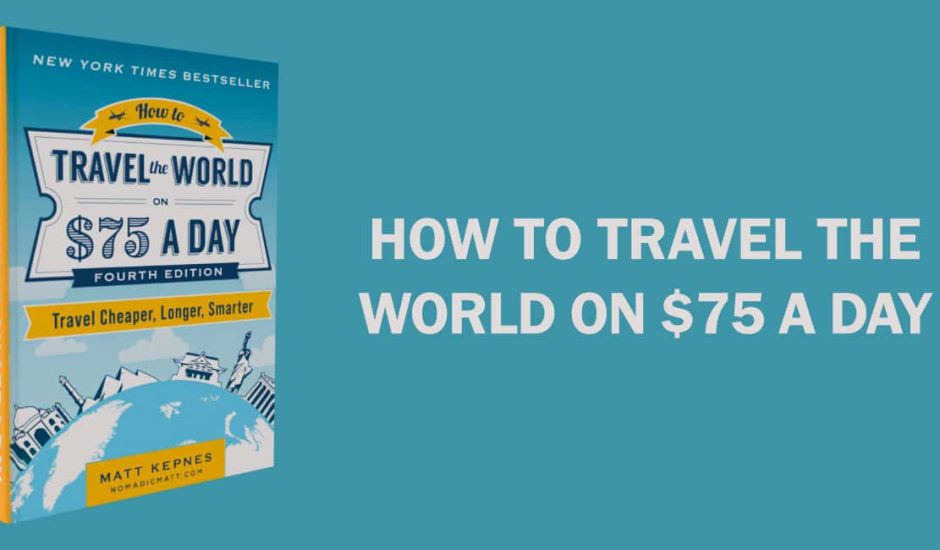
Cara Berkeliling Dunia Dengan Anggaran Terjangkau
[ad_1]
Bepergian Ke Mana Saja. Tidak Peduli Anggaran Anda.
Pernahkah Anda berkata:
“Saya berharap saya bisa bepergian lebih sering tetapi saya tidak mampu membelinya.”
“Saya berharap saya bisa bepergian lebih sering tetapi saya tidak punya waktu.”
“Saya tidak yakin bagaimana memulai merencanakan perjalanan saya.”
“Saya khawatir saya tidak memiliki keterampilan untuk bepergian.”
Atau secara keseluruhan menemukan alasan mengapa Anda tidak dapat melakukan perjalanan?
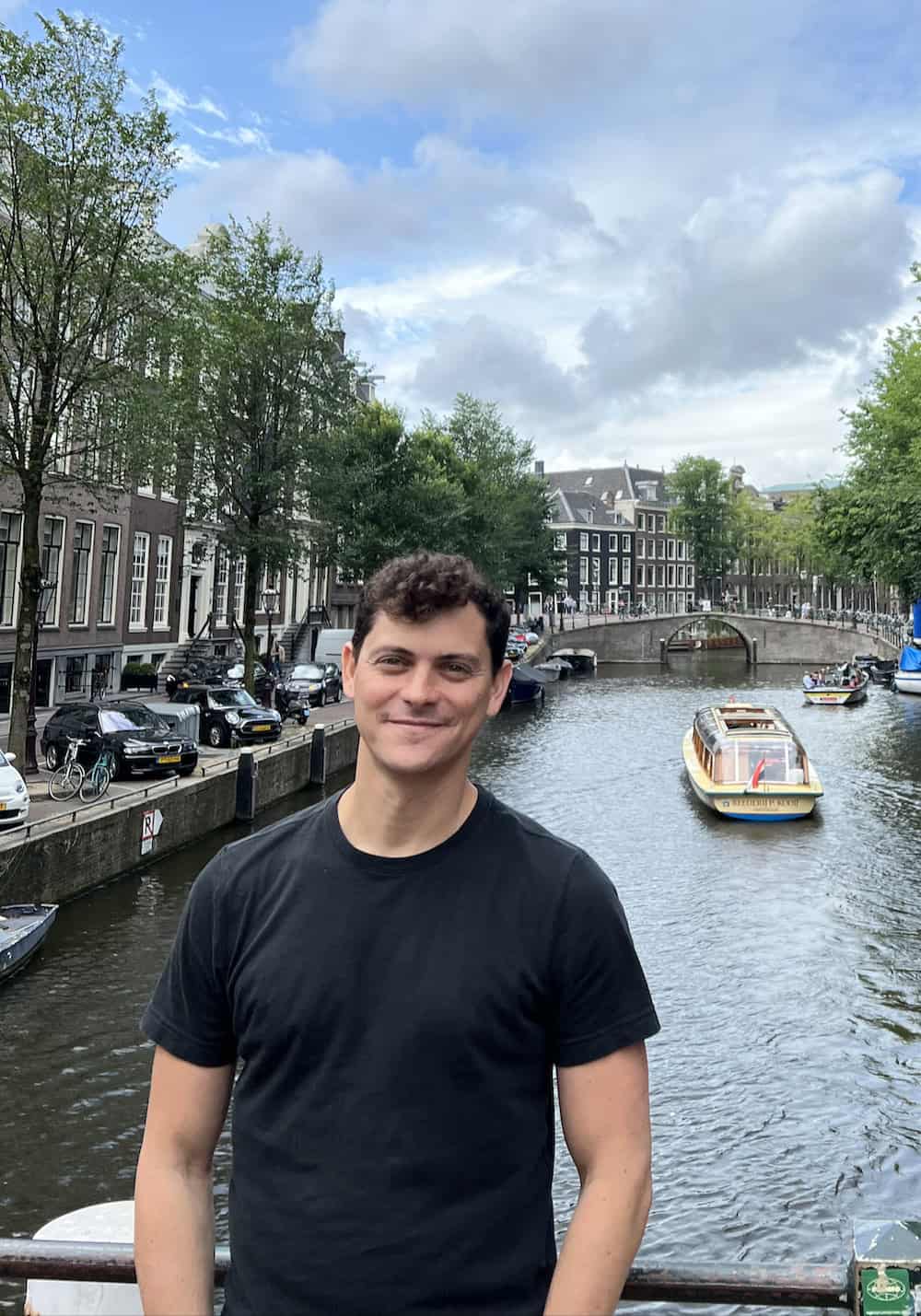
Saya pernah ke sana. Saya dulu berpikir perjalanan adalah sesuatu yang saya tidak pernah mampu dan tidak memiliki keterampilan untuk melakukannya. Saya tidak tumbuh dengan banyak uang dan keluarga serta teman-teman saya tidak sering bepergian. Saya melihat iklan, menonton iklan, dan membaca majalah perjalanan dan berpikir, “Saya tidak akan pernah mampu melakukan perjalanan. Ini adalah sesuatu yang hanya dapat Anda lakukan ketika Anda pensiun.”
Namun, dalam perjalanan ke Thailand, saya bertemu dengan sekelompok backpacker yang menunjukkan kepada saya bahwa semua yang saya anggap salah tentang perjalanan. Mereka menginspirasi saya untuk berhenti dari pekerjaan, menyelesaikan gelar sarjana, dan memulai perjalanan selama satu tahun.
Sejak itu, saya telah menghabiskan 19 tahun terakhir berkeliling dunia dan saya di sini untuk memberi tahu Anda bahwa ya, 100% mungkin untuk bepergian ke tempat-tempat yang Anda impikan. Saya telah membantu jutaan orang melakukan perjalanan lebih banyak dengan biaya lebih hemat.
Dan saya menuangkan semua pengetahuan saya ke dalam satu buku referensi yang mudah diperbarui untuk perjalanan pasca-COVID.
Jika Anda ingin mendapatkan pengalaman perjalanan ajaib yang selalu Anda dengar di buku atau media sosial, buku baru saya akan membantu Anda. Anda akan menjadi seorang musafir yang ahli dan tahu cara untuk selalu menemukan penawaran dan keluar dari jalur yang jarang dilalui. Ini akan memaparkan perencanaan perjalanan dalam format yang sederhana dan mudah diikuti dan memberi Anda strategi spesifik yang berhasil ke mana pun Anda pergi atau untuk berapa lama. (Lagipula, tidak peduli berapa lama kamu akan pergi, kita semua berada di pesawat yang sama!)
Ini Waktu New York buku terlaris mengambil informasi di situs web saya dan menjelaskan lebih detail, dan juga menampilkan tip, trik, dan rincian negara yang tidak pernah dibicarakan di sini di blog!
Saran perjalanan saya telah ditampilkan di:

Apa yang Akan Anda Pelajari Dengan Buku Ini

15 Ways to Earn Money While Traveling in 2026
[ad_1]

How much money do you need to save for your trip?
$1,000? $2,000? $5,000? $50,000?
For most people, the thought of saving thousands (or tens of thousands) of dollars to travel is a daunting prospect. While there are many ways to save money and travel on an ultra-tight budget, for some, there’s no amount of spending cuts or saving tips that will help them save enough.
But, contrary to popular belief, being broke is the best reason to go travel.
If you don’t have as much money to travel as you want, consider Option B: working overseas. Leave with what you have and find work along the way to keep your wallet flush with cash — and keep you traveling.
And it’s not as hard to do as you might imagine.
Working abroad is a unique and wonderful experience. It provides deeper insights into a country, exposes you to a new culture, and allows you to learn a new language, meet new people, and get a new perspective on the world.
I worked in Thailand and Taiwan and it was life changing. I learned more about myself during that time than I did at any other point in my travels.
Finding work overseas is an informal process. If you remember you are looking for a job rather than a career — and stay flexible — you’ll be able to find work pretty much anywhere. Whole economies and industries are built around employing travelers. (Heck, I don’t think the Australian economy would survive without the labor backpackers and travelers provide on their working holiday visas!)
Here are some examples of jobs that are easy for travelers to get and often don’t require a long commitment:
1. Teaching English (or any language!)

This is the easiest type of job to get for native English speakers. Teaching jobs are incredibly abundant around the world, especially in Southeast Asia. I saved over $10,000 USD by teaching in Thailand. I’ve had friends pay off their student loans by teaching in South Korea.
These jobs can pay well, the hours are flexible, many countries offer huge bonuses, and some schools will pay for your flight over. Just be sure to treat it seriously because this is someone’s education. Don’t phone it in and make sure you get a TEFL certificate so you understand the basics of teaching. There are a lot of online resources for potential teachers, and finding an online TEFL course has never been easier. Two of the best TEFL courses are:
You can also use websites like italki or Preply to teach English online if you don’t want to do something in person. Not a native English speaker? Teach your own language using one of those websites! You can do this from anywhere in the world and you don’t need any special accreditation. Sign in, talk, and get paid!
I taught in Thailand and Taiwan. Not only did I have a fantastic time being an expat, but I also learned a lot about myself and living overseas, and made enough money to keep me on the road for years. It’s an experience I’ll never forget.
2. Work in a Hostel
Hostels are often looking for staff to work the desk, clean, show guests around town, or run their pub crawls. Moreover, these jobs can often be for as long as you want — a day, a week, a month. Hostels have a high turnover so there are often lots of opportunities available.
If you’re looking for something more temporary, many hostels will let you stay for free if you help clean the hostel each day. Even if you aren’t getting paid and are just getting free room, it’s still a way to save your travel fund.
While many hostels have signs announcing their work opportunities, most won’t. Don’t be afraid to ask about them. Additionally, if you have other skills (such as website design, photography, visual arts skills, etc.) you can also try to barter those for free accommodation.
Worldpackers is an incredible resource for finding this kind of work in hostels around the world.
3. Do Volunteer Work

While these positions don’t pay, you’ll save money on room and board which will keep you on the road longer. Plus, you’ll be doing something good for the world. You don’t have to spend a lot of money with large global organizations in order to volunteer either. Those companies just end up keeping a large cut for themselves for “operations.”
Worldpackers, Workaway.com and WWOOFing are some helpful resources to find volunteer opportunities.
One important thing to keep in mind is that there are many unethical operations out there that mislead volunteers in order to make a profit. Orphanages and animal tourism are particularly infamous for this. Make sure you do your due diligence to find a reputable place to spend your time, otherwise you’ll risk doing more harm than good.
For more stationary and long-term volunteering, check out Trusted Housesitters. It’s a platform that connects people in need of pet sitters with travelers looking for free accommodation. In exchange for looking after their pets, you’ll get a free place to stay. It’s a fun, easy way to find long and short-term house sitting opportunities (and who doesn’t want to spend time with cute animals!).
4. Get Seasonal Work
Move with the seasons and work in ski resorts, as a camping guide, on boats, in bars or restaurants — whatever works! Wherever there’s a big tourist season, you’ll find a big demand for temporary labor.
Make sure you get to your destination well before the season starts to secure a job — if you show up mid-season, all the high-paying jobs will be taken. Ask around at hostels in the area and they will be able to point you in the right direction!
Australia is a huge destination for seasonal work, as is Canada, New Zealand, Austria, and Norway.
5. Do Freelance Work Online

If you have a background in web services, design, programming, or anything tech related, a website like Upwork is a super way to find virtual work as you travel.
There’s a lot of competition, but if you build up your portfolio you can accrue clients over time. I have a friend who gets all her freelance consulting jobs from Upwork and it pays her enough so she can keep traveling. It’s an especially perfect option if you just want short-term contracts or part-time work since you can pick and choose what jobs you apply for.
And don’t be afraid of all the competition. As someone who has used Upwork to hire people, I can tell you it’s really hard to find competent people. If you’re even remotely good, it’s very easy to get clients. So, while it may take some time to get your first clients, once the work starts to come in, it’s easy to maintain it.
If you don’t have tech skills, you can still start a profile and find clients for a variety of research-based and virtual assistant jobs. Editing, translation, writing, tutoring, graphic design, consulting — there are tons of opportunities here if you’re willing to seek them out.
TaskRabbit and Fiverr are two other sites for finding online work as well.
6. Work on a Cruise Ship

Working on a cruise ship is an excellent way to earn money while getting a taste of the world, gaining some solid work experience, and networking with people (both fellow crew and passengers) from around the world.
Many of the low-wage jobs usually go to people from developing countries, but there are lots of other jobs available too. Cruise ships need wait staff, bartenders, tour guides, entertainers, youth counselors, and customer service staff just to name a few. Most ships have upwards of 1,000 crew members, which means there are ample opportunities.
This book by Wandering Earl (who worked on a cruise ship for years) is a great place to get started.
7. Get a Working Holiday Visa

Working holiday programs allow people under the age of 30-35 to legally work and travel abroad. These programs tend to be used mostly by gap-year travelers, students, or young adult backpackers.
Most of the countries that offer these programs are English-speaking Commonwealth countries such as Canada, England, New Zealand, and Australia.
The visa application process is pretty simple (though it can be expensive) and the visas are usually issued for one year. Typically, the visa comes with the stipulation that you can’t work in one place for more than six months (this is to encourage you to both work and travel).
Most of the working holiday jobs you can find are typically service or low-wage office jobs. Most people become office assistants, laborers, bartenders, farmers, or waiters. The pay is not always great, but it’s enough to live off of and usually will give you a little extra money to save for traveling.
For these jobs, you’ll need to bite the bullet, fly to these countries, and look for work when you land. While sites like Gumtree have some listings, you’ll find the majority of work when you land. Many companies specialize in placing travelers. And hostels usually have job boards and can offer a lot of assistance in finding work.
Having an up-to-date resume will help you secure an awesome position, so make sure that it’s polished before you arrive.
8. Be an Au Pair

Love kids? Take care of someone else’s! You’ll get a room, food, and a weekly paycheck. You’ll have to be around a lot to watch the kids, but you’ll usually get the weekends off and some vacation time to explore the country.
These are some popular websites for finding au pair jobs:
Being an au pair won’t be for everyone and it will take some research (and interviews) to find a family that you’ll work well with. However, if you love working with kids it can be a straightforward and rewarding way to extend your travels and make some spending money. It’s an especially good choice for anyone looking for an immersive language experience as well.
9. Become a Scuba Diving Instructor

If you are a certified diver and want to become an instructor, there are dozens of huge scuba destinations around the world where you can easily find work (including Thailand, Cambodia, Honduras, the Caribbean, and Bali).
Checking the dive company’s website for openings is a good place to start, however, asking directly at their office is the best way to find out if there are any opportunities available. Also, keep in mind that cruise ships also often need dive instructors and that there are tons of dive centers in North America if you’re just getting started and looking for experience before you head abroad.
10. Leverage Your Existing Skills
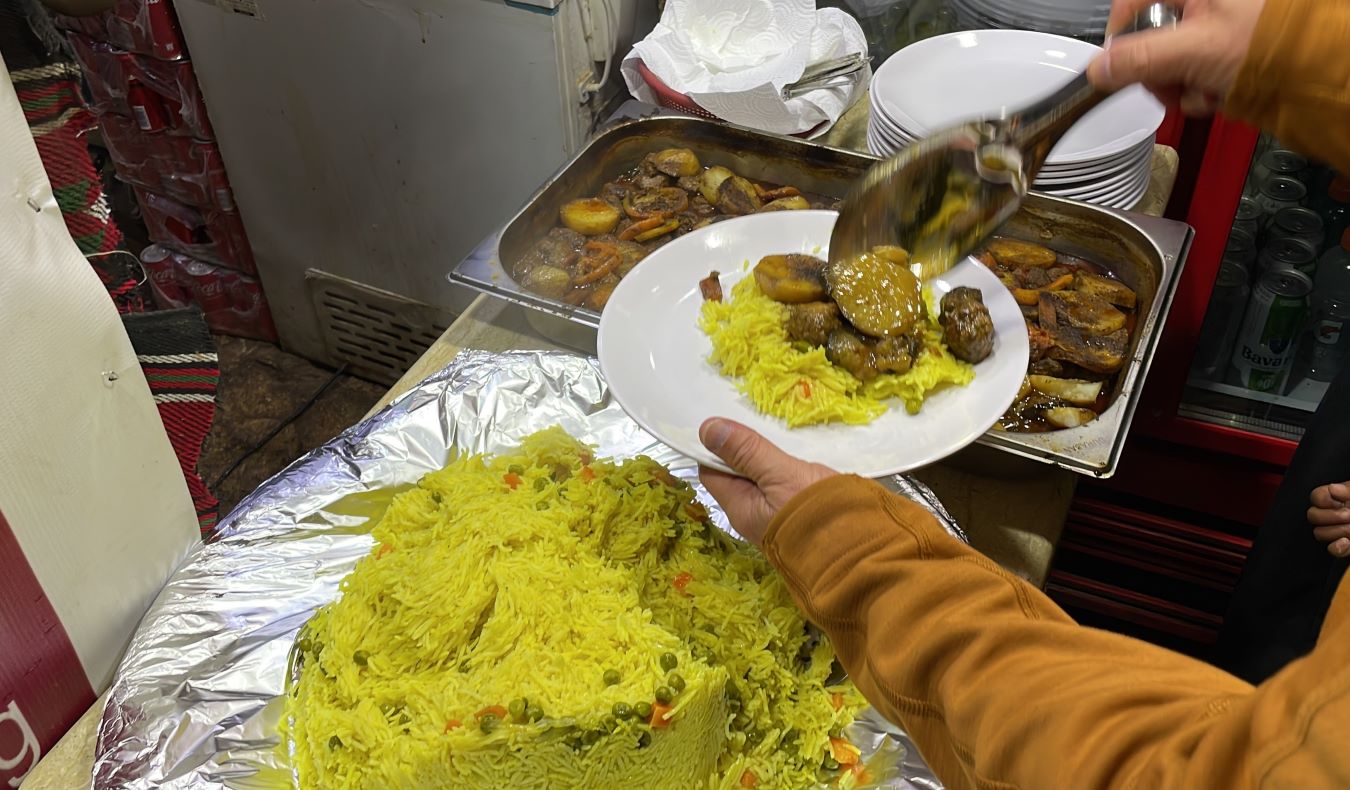
Don’t underestimate your existing skills when you head overseas. If you’re a musician, teach people how to play. If you dance, offer lessons. Teach yoga, cut hair, offer business consulting, cook for people. Use whatever skills you have to find a job. Don’t be shy — be creative!
Websites like Craigslist and Gumtree are two places to advertise your abilities and find work. Where there’s a will, there is a way!
If you have an in-demand skill, creating your own job is one of the easiest ways to make money. Somewhere in the destination you’re at, there is a person who wants to learn the skill you have. Teach them. Get paid. The money might not be great, but as I said at the start, you’re not looking to get rich — you’re looking to keep traveling.
And depending on your skills, you can also go virtual. Teach music or language over Zoom, create an online course, film yoga videos, and upload them to YouTube. You don’t have to work in your destination these days, so think outside the box!
11. Become a Bartender

Bars need bartenders — and every country has bars! Bars in party destinations or at hostels are the best places to start looking, as they often have a high turnover and the work can be steady.
In countries that have working holiday visas, these jobs often go to travelers. I’ve also seen bars in Southeast Asia and Europe hire travelers under the table to do work and pass out fliers. It’s not a lot of money but it’s enough to cover some meals and drinks.
If you don’t have any bartending skills, check to see if they need a dishwasher. It’s a less glamorous position, but the work is just as steady.
12. Work in a Restaurant

In that same vein, waitstaff, bussers, line cooks, and dishwashers are always in demand since people come and go from those jobs very frequently. These jobs are easy to get, especially in popular backpacking and party destinations, as well as large cities.
Again, in countries that have working holiday visas, travelers become the backbone of the service economy and jobs can often be easy to get. Additionally, if you’re in a non-English-speaking country but can speak the local language, try applying to restaurants popular with expats. Your bilingual skills will come in handy.
Don’t be afraid to apply to work in the kitchen either. You won’t have to interact with customers so you’ll need less language competency. As long as you have some experience as a line cook you can likely find a position to get your foot in the door. Cooking is a universal language!
13. Be a Tour Guide

Use your love of travel to work in travel! Tour companies are always on the lookout for new tour guides. This is more of a “real” job than the rest, but it’s a fun (though tiring) means of employment.
The pay isn’t great, but you get your expenses paid while on the tour and get to meet people from all over the world. Companies that often hire travelers are Kiwi Experience, New Europe Walking Tours, and Contiki.
These jobs usually require a longer commitment but are a good option for anyone who has permanently relocated to a new city and is looking for a steady gig while they get settled. Moreover, they’re perfect for travelers who are bilingual since tours are often operated in English as well as the local language (and often other common languages like German and Spanish).
14. Work on a Yacht
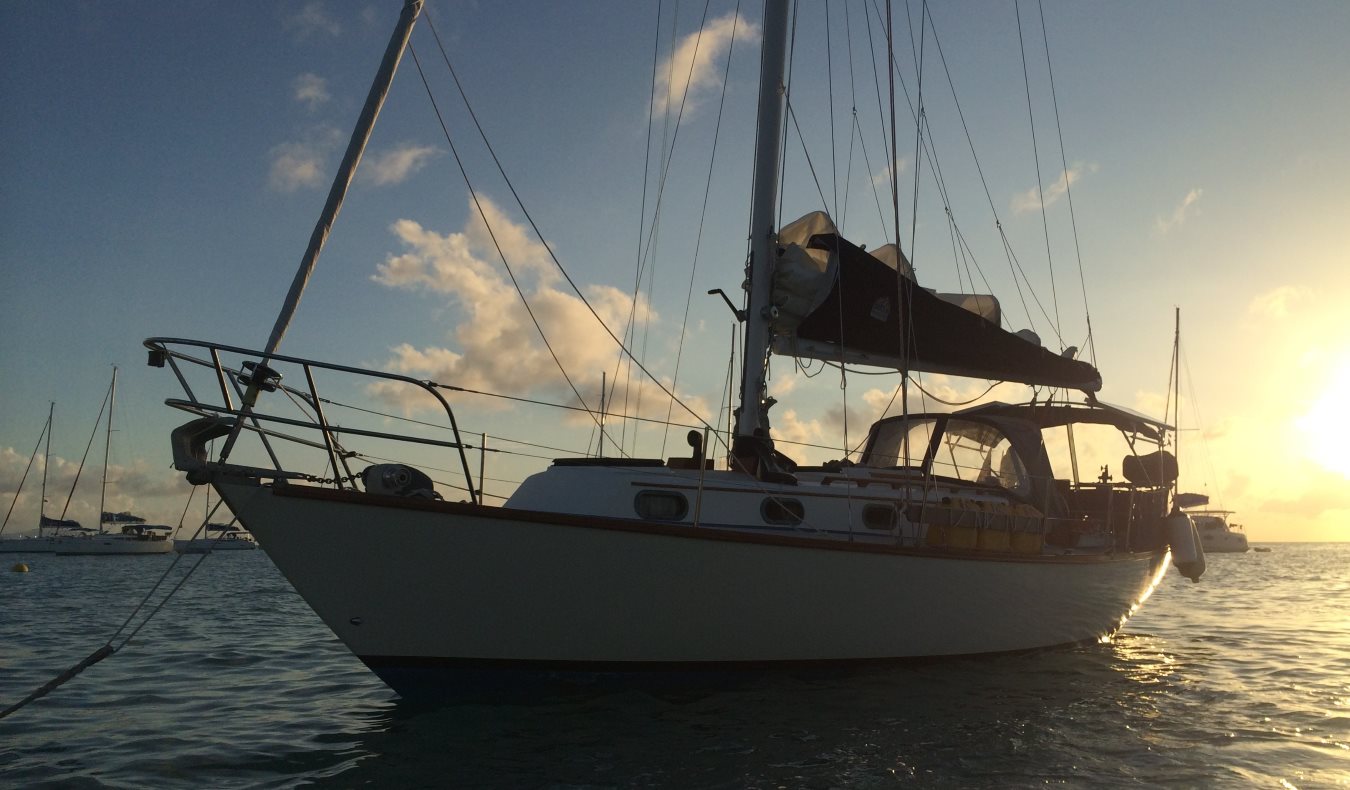
If you love the water, work on a boat (and forever be singing “I’m on a Boat” by Lonely Island). Yachting jobs are surprisingly easy to get without much experience (though having some experience will definitely help), and you’ll be able to sail around the world as you work. One of my readers did it so she could see the world. You can find jobs on Yacrew.com and The Crew Network.
Note: Positions are long-term, and you’ll be required to get certified, which covers all basic yacht training, including fire and water safety training.
15. Take Whatever You Can Find
You can always trade your manual labor for pay. There are a lot of short-term jobs around the world, jobs that you can get on the fly. If you’re willing to work a few hours each day in exchange for room, board, and extra cash, you will always find something you can do. Here are several incredible resources for finding jobs as a traveler:
Whether you are going to teach English, wait tables, bartend, sit in an office, work at a hostel, or land a high-paying job in your field, working overseas is something that will change you forever. Living in a different country is a unique experience not many people get to have.
It teaches you a lot about yourself and your perceptions of the world. At the end of the day, that is what travel is about.
Don’t let money woes get in the way of travel. If you are creative and flexible about what you want to do, you will find work.
Remember you aren’t looking for a career — you’re just looking for a job. When you are flexible in what you want to do, there will always be work available to help increase your travel funds and get you to the next destination. You can worry about a career when you come home!
Don’t worry about saving a lot of money for your trip. Just get out there, find a job, earn money, and go from there. I promise it’s much easier — and more rewarding — than you think!
How to Travel the World on $75 a Day
My New York Times best-selling book to travel will teach you how to master the art of travel so that you’ll get off save money, always find deals, and have a deeper travel experience. It’s your A to Z planning guide that the BBC called the “bible for budget travelers.”
Book Your Trip: Logistical Tips and Tricks
Book Your Flight
Find a cheap flight by using Skyscanner. It’s my favorite search engine because it searches websites and airlines around the globe so you always know no stone is being left unturned.
Book Your Accommodation
You can book your hostel with Hostelworld. If you want to stay somewhere other than a hostel, use Booking.com as it consistently returns the cheapest rates for guesthouses and hotels.
Don’t Forget Travel Insurance
Travel insurance will protect you against illness, injury, theft, and cancellations. It’s comprehensive protection in case anything goes wrong. I never go on a trip without it as I’ve had to use it many times in the past. My favorite companies that offer the best service and value are:
Want to Travel for Free?
Travel credit cards allow you to earn points that can be redeemed for free flights and accommodation — all without any extra spending. Check out my guide to picking the right card and my current favorites to get started and see the latest best deals.
Need a Rental Car?
Discover Cars is a budget-friendly international car rental website. No matter where you’re headed, they’ll be able to find the best — and cheapest — rental for your trip!
Need Help Finding Activities for Your Trip?
Get Your Guide is a huge online marketplace where you can find cool walking tours, fun excursions, skip-the-line tickets, private guides, and more.
Ready to Book Your Trip?
Check out my resource page for the best companies to use when you travel. I list all the ones I use when I travel. They are the best in class and you can’t go wrong using them on your trip.

15 Easy Tips to Always Find Cheap Flights in 2026
[ad_1]

For most trips, airfare is the most expensive part of the trip. While prices for transatlantic flights have gone down in recent years, they can still put a sizeable dent in any travel budget. Whether you’re a budget solo traveler or a family looking to vacation abroad, finding a cheap flight deal can be what makes or breaks your trip.
After all, if your flight is too expensive, you’re likely going to keep putting the trip off. I’ve seen it happen time and time again.
And yet every day, airlines have thousands of amazing deals — from mistakenly published fares to special promotions to slashing prices to compete with another airline. Cheap fares are out there and they can make your dream trip a reality — if you know where to look (I start all my flight searches with Skyscanner).
Today, I am going to help you master the art of finding a cheap flight. These are the exact steps I’ve been following for a decade to get the cheapest airfare possible every time I fly. If you follow them too, you’ll never be the person on a flight who paid the most for their ticket!
Here’s how to find a cheap flight no matter where you want to go in the world:
1. Ignore the Myths
The first thing to know about finding a cheap flight is that there is no magic bullet or one secret ninja trick to doing so. There are a lot of myths online about how to find cheap flights. In fact, you’ve probably come across a ton of them on your search to find the best flight deal!
They are all lies. And they will lead you astray.
Most websites hire terrible “reporters” who recycle common and outdated myths. Here are the most common that are 100% not true:
- It is NOT cheaper to buy airfare on a Tuesday (or any other specific day for that matter).
- There is NO evidence that searching incognito leads to cheaper deals.
- There is NO exact date or specific time period in which to book your airfare.
- You can’t predict airline prices and websites that do are basically taking an educated (but probably wrong) guess.
Airlines use advanced computer and pricing algorithms to determine prices and run sales based on the time of the year, passenger demand, weather, major events/festivals, time of day, competitor prices, fuel prices, and much more. Those so-called “tricks” don’t work anymore. The system is too smart. If these “hacks” worked, airlines would change their systems immediately as they wouldn’t want to lose money.
Don’t listen to anyone who tells you otherwise. Anyone who is telling you doesn’t know what they are talking about.
There’s no magic bullet to finding cheap flights.
(If you want the specifics of why these myths are wrong, I dedicated an entire post to breaking them down and explaining why they are wrong.)
2. Be Flexible with Your Travel Dates and Times
Airline ticket prices vary greatly depending on the day of the week, time of year, and upcoming holidays, such as Christmas, New Year’s Eve, Thanksgiving, or the Fourth of July. August is a big month for traveling around Europe, and everyone wants to go somewhere warm in the winter or travel when the kids are out of school.
In a nutshell, if you are going to fly when everyone is flying, then your ticket is going to cost more.
The solution is to fly off-season. Search alternative dates so that you can capitalize on the best day. The more rigid your plans, the less likely it is that you will find a deal.
Try to be flexible with your dates. If you are dead-set on visiting Paris, go in the spring or fall when fewer people visit and airfares are cheaper.
But if you want to go in the middle of August? You’re out of luck. Hawaii over Christmas? Good luck! Prices will be at their highest.
Moreover, it’s almost always cheaper to fly during the middle of the week than on a weekend because most people travel on the weekends and airlines hike their prices then. Prices are cheaper if you fly after or on a major holiday. Early-morning or late-night flights are also cheaper because fewer people want to travel then (who wants to wake up early?!). Fridays and Mondays are expensive because that’s when most business travelers fly.
When searching on Skyscanner, simply click on the date field to expand the calendar view and you’ll immediately see the cheapest months to fly. On this search from NYC to Paris, you can see that traveling during September, November, or December would be half as much as traveling during June or July:
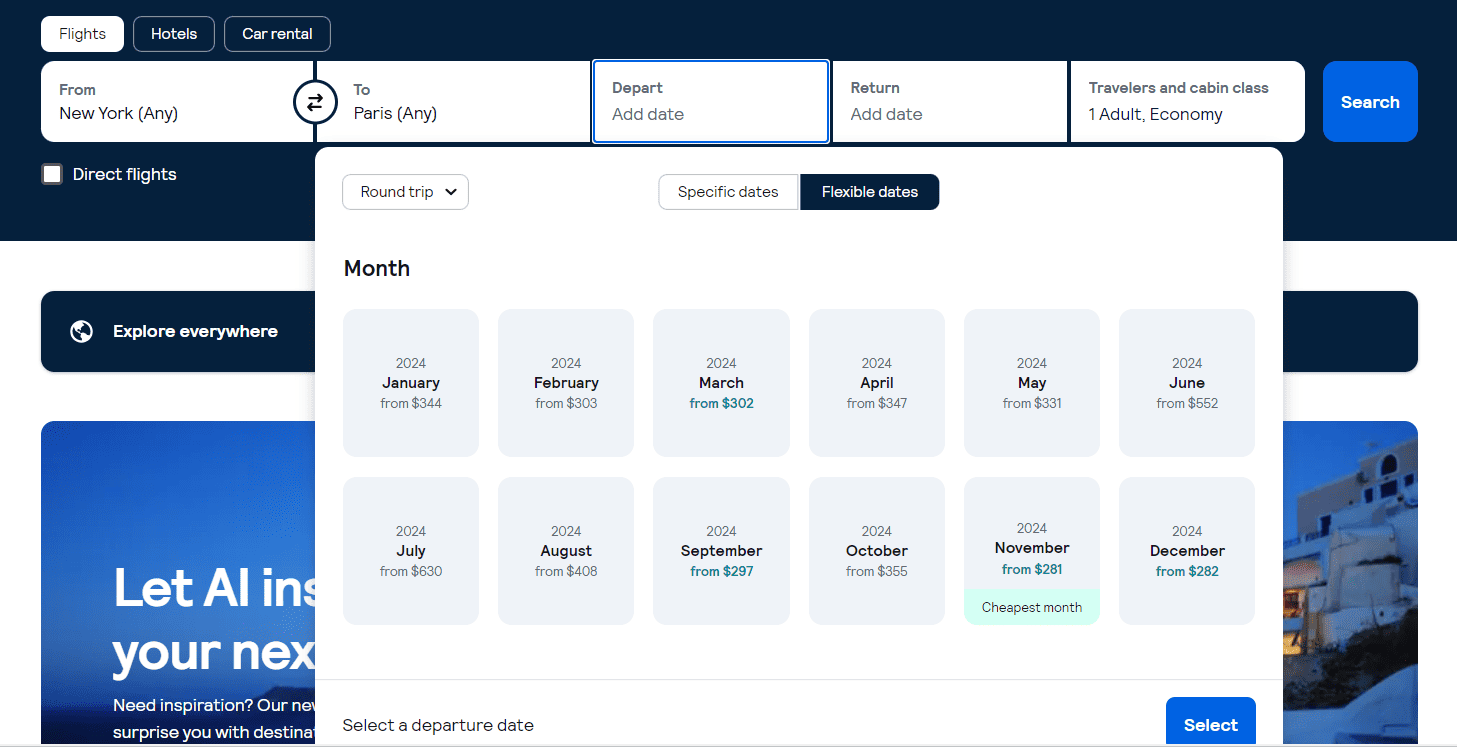
Airlines are not dumb. They know when a festival, holiday, major sports event, or school break is coming up — and they raise prices accordingly.
Be flexible with your dates and times and you’ll save yourself some major money.
3. Be Flexible with Your Destinations
If you can’t be flexible with when you fly, at least be flexible with where you fly. It’s best to be flexible with both, but if you really want to save the most money and get a cheap flight for your trip, you at least need to be flexible with one or the other.
Airline search engines have made it really easy to search the entire world to find the cheapest ticket. You no longer have to search manually, city by city, day by day. Websites like Skyscanner and Google Flights offer explore tools that allow you to put in your home airport and see a map of the world with all the flights on it. This allows you to easily compare multiple destinations without having to brainstorm every possible option. You’ll likely even find some interesting destinations you hadn’t even thought of either!
If you are flexible with where you want to go (i.e., anywhere but home), all you need to do is type “Everywhere” into the search box on Skyscanner or “Anywhere” if you’re using Google Flights.
The truth about airfare is that there’s always a deal to some destination — it might just not be your first choice. However, if you’re flexible about where you want to go, you’ll always get a deal and save a ton of money in the process.
When you are locked into one place at one time, you are stuck with whatever price shows up. Nothing can change that. But when you become flexible, suddenly the entire world opens up to you and you’ll find amazing, cheap airfares!
4. Keep an Eye for Special Deals
Before you start looking for specific lights, make sure you’ve signed up for some newsletters. Joining the mailing list for airlines and last-minute deal websites will give you access to the absolute best deals out there. Sure, 99% of them might not fit your itinerary but keeping your eye on the deals will ensure you don’t miss an amazing opportunity.
More often than not, cheap flights are only available for a limited window (usually 24 hours). If you aren’t always scouring the web for sales, you’ll likely miss out on the best deals.
I would have missed out on a round-trip ticket to Japan for $700 USD (normally $1,500) as well as a $500 flight to South Africa if I weren’t signed up to flight deal websites.
Additionally, airline newsletters often offer frequent flier bonuses. Those points and miles can add up to free flights and awesome upgrades.
Aside from joining airline newsletters, the best website for finding travel deals is Going (formerly Scott’s Cheap Flights). It’s the BEST for upcoming US flight deals and new users can get 20% off a Premium membership with the code NOMADICMATT20.
5. Fly Budget Carriers
Years ago, if you wanted to fly between continents, you were mostly stuck with traditional, expensive airlines. That’s no longer true. These days, you can fly most of the way around the world on a budget airline. Sure, they might not be as comfortable and you may need to pay for premium upgrades like checked bags and meals, but they bring the world to your doorstep without breaking the bank.
Budget airlines mainly service short and medium-haul routes but new ones like PLAY, Zipair, FlyDubai, Norse Atlantic Airways, and French Bee fly long-haul across oceans at a reasonable price. You can now circle the globe in a budget airline!
For now, budget airlines mainly operate regionally so it’s really easy to find a cheap flight, even during this age of higher prices. Flying budget airlines is a good alternative to flying “the majors” whenever possible. You get fewer perks, but you can save a bundle in price.
Just be sure to watch out for fees. That’s how they make money! Budget airlines often charge fees for checked bags, carry-ons, printing your boarding pass, using a credit card, and anything else they can get away with. Be sure to add up the cost of the ticket AND the fees to make sure that the price is lower than a larger carrier.
You’ll also want to double-check the location of the budget airline’s airport at your intended destination. These airlines often fly in and out of airports that are quite far from the actual city, with limited and expensive transportation options. For example, the shuttle to Beauvais, the budget airport for Paris, costs 17 EUR one-way. If you’re flying round-trip, this means that you should add about 34 EUR to the price of your plane ticket to see if you’re even saving much by flying a budget airline.
6. Don’t Always Fly Direct
Not only does it help to be flexible with dates and destinations but being flexible with the route you take is another way to get a cheap flight. For example, sometimes it’s cheaper to fly to London and take a budget airline to Amsterdam than to fly direct to Amsterdam from your departure city.
I did precisely this when I was going to Paris. The flight from the US was $900 USD, but I could fly to Dublin for $600 and get a $60 flight to Paris. It meant more flying time, but the $240 USD I saved was worth it to me.
To use this method, find out how much it costs to go directly to your destination. Then, open Google Flights and type in that destination’s continent to look at prices to nearby airports. If the difference is more than $150 USD, I look to see how much it is to get from the second airport to my primary destination (either by budget flight or train, if it’s not too far). You can use Rome2Rio to help search for the best ways to get between a nearby airport and your primary destination.
You can also do this for leaving, too. It might be cheaper to fly out from a nearby airport. I often search other airports to see if it’s cheaper to fly/drive/train there and then fly to my final destination. For long international flights, it can be worth the added time!
If you do book separate segments, be sure to have at least three hours between connections. This will give you space in case there is a delay as your second flight won’t wait for you (you booked with a separate airline, so they won’t care if you’re late or not).
Leaving a three-hour buffer will also cover you for an insurance claim since most insurance companies require you to have at least a 3-hour delay before you can make a claim.
This method is more work since you have to figure out lots of different routes and check different airlines. But it can lower the price of your flight, which is worth the extra effort if you end up saving a few hundred bucks.
Note: If you ever have a delayed flight to or from Europe, you might be owed additional compensation (upwards of 600 EUR). Here’s how to find out if you’re entitled to compensation!
7. Remember Not All Search Engines are Equal
In order to find the best deal, you need to search multiple websites. Many major search sites don’t list budget carriers or obscure foreign carriers because those airlines don’t want to pay a booking commission. Others don’t list booking sites that aren’t in English. And others still only display prices retrieved directly from airlines.
In short, not all flight search websites are created equal and all have their pros and cons.
Since there is no perfect airline search engine, you’ll want to search a few to compare. Even the best have their faults. That said, I have a few favorites I always start with as they tend to consistently show the best results. To me, the best websites to find a cheap flight are the following:
Typically, I start all my searches with Skyscanner because it searches all major AND budget airlines, non-English websites, English websites, and everything in between. They vet all the sites they link to as they have strict criteria on who they operate with. It’s one of the most comprehensive booking sites out there and they have the lowest price 99% of the time. I’ve been using them since 2008, and it’s the search engine all the other travel experts I know use too.
8. Take Advantage of Student Discounts
If you are a student (or under 26), there are many discounts available to you. You can usually find prices 10-20% off the standard fare. Travel agencies like Flight Centre can help find you a cheap ticket. Don’t overlook them!
Additionally, keep in mind that most student discounts transfer over to airline partners. For example, Lufthansa offers a student discount, which means you can use that discount on partner airlines such as Swiss Airlines and Austrian Airlines. This will allow you to go much further afield while still saving a ton of money.
If you’re not sure which airlines offer discounts (they don’t make this information easy to find), visit their website or call them. Doing a little digging to save 20% (or more) will be worth it!
9. Mix and Match Airlines
When you book directly with an airline, you’ll only be able to fly that airline and any partner airlines it has. That means your options will be limited when it comes to finding the perfect itinerary or saving the most money. Usually, that will suffice. However, if you’re chasing greater savings, try booking your tickets on separate airlines. For example, if you’re flying from New York to Paris, you might have a stop in London. Booking both legs as one ticket will be simple, but it likely won’t save you money.
Instead, book your New York to London flight as one ticket and then your London to Paris ticket with another airline. That will allow you to shop around for the best bargain. It’s more work, but the savings (and flexibility) can be worth it.
If you’re hunting for the lowest possible price and aren’t happy with what you’re finding on the airline’s website, try booking separate segments. You might just stumble onto a great deal!
10. Use Points and Miles
As soon as you know you want to travel somewhere, you should sign up for a travel credit card. Using points and miles is the #1 way avid travelers like me earn free flights, travel perks, and free hotel stays. Travel credit cards offer huge welcome bonuses, credit toward rideshares like Uber or Lyft, access to airport lounges, travel insurance, and much more.
You don’t need to do any extra spending either. I earn over a million miles a year — without flying or spending extra money. That translates into dozens of free flights (often in business class) for myself and my family.
If you are smart with your money and collect points and miles, you can travel around the world for very little (and often for free). Here are some articles that can help you get started:
If you already have some points and miles collected, consider joining a platform like point.me. It’s a search and booking engine that helps you find the best ways to use your points and miles. It searches 30+ loyalty and 100+ airline programs to find the best value possible so you never waste your miles!
11. Search Ticket Prices for Individual Travelers
If you’re traveling with friends or family, don’t search for or buy multiple tickets in a single purchase. Airlines always show the highest ticket price in a group of tickets, which means you’ll end up paying more money. Airlines have tons of different price points for tickets (these are based on a variety of factors). They want to sell tickets in the highest fare bucket possible and, when they group tickets, always list prices in the highest fare bucket.
For example, if you are a family of four and you’re searching for four seats, the airline will find four seats together and show your fare based on the highest ticket price. So if seat A is $200, seats B and C are $300, and seat D is $400, it will price those tickets as $400 each instead of adding up the individual ticket prices. If the price difference is large, that translates into a sizable extra expense.
For that reason, always search for tickets as a single person. Afterward, in the checkout process, you can pick your seats so you and your family are sitting together. And even if you end up not beside one another, that’s a fair trade for saving a few hundred dollars.
12. Look for Tickets in Other Currencies
If your country’s currency is currently strong compared to others around the world, search for airfare in a country where the currency is weaker.
For example, when the US dollar was strong and the New Zealand currency weak, I found a one-way flight from Australia to NYC for $1,000 USD. However, when I searched on the New Zealand version of the airline, I found the same ticket for $600 USD.
It was the same airline, same flight, and same booking class — it was just booked in a different currency. This tip does not always work, but it works often enough that it’s something worth trying if your currency is currently doing well.
(Tip: Always use a no-foreign-transaction-fee card to avoid paying a surcharge.)
13. Book Early (But Not Too Early)
Airline fares keep rising the closer you get to departure, but there is a sweet spot when the airlines begin to either lower or increase fares based on demand. Don’t wait until the last second but don’t book far, far in advance either. The best time to book your flight is around 2-3 months before your departure, or around five months before if you are going to your destination during their peak season.
This isn’t a hard and fast rule, though, so use it as a guide. I could go on forever about airline pricing models but airlines raise prices closer to departure because the people who book last-minute tend to be price-insensitive business travelers so they will pay whatever. So don’t book last minute!
This is a more advanced (and riskier) way of finding cheap flights, but if you’re adamant about spending as little money as possible, it’s worth looking for hidden city fares. This is when you book a flight that has a layover in your desired destination. You then get off the plane and exit the airport at the layover city instead of continuing on to the final destination that you booked the ticket for.
For example, say you want to fly from Austin to Atlanta. A flight from Austin to New Orleans with a stop in Atlanta might be cheaper than booking Austin to Atlanta directly.
As you can imagine, this practice can get complicated and tricky. There are a few crucial elements to keep in mind, namely that once you skip a leg, the airline cancels the rest of your trip. That means that you cannot buy round-trip flights and do this practice on your departure flight, because your return flight will be cancelled. Also, you cannot check bags, as they will end up in the final destination on your ticket, not where you get off.
Additionally, airlines strongly frown upon this practice, so you don’t want to advertise that this is what you’re doing, and you don’t want to do it often, otherwise you might get flagged.
All that being said, you can save hundreds of dollars with hidden city flights, and it’s perfectly legal. It’s easy to search for hidden city flights on the website Skiplagged. Just do so at your own risk!
15. Get Money Back!
If the price of your ticket falls after you buy it, you can get a refund for the difference, either payable in cash or as credit with the airline, depending on the fare conditions of your ticket. You can use TripIt Pro, Google Price Guarantee, and Skyscanner to set alerts if your ticket falls. If the price of your ticket falls, call the airline and tell them to rebook you at the lower price and they will do so for no fee. If you want to automate this, two services exist to do the work for you (for a fee): Autopilot or Repriced.
Once you find a flight deal that you’re happy with, book right away, as airfares change by the minute. Remember that you have a 24-hour window to cancel in case you need to.
Use the tips above on how to get a cheap flight to get the ball rolling. Do that, and you’ll always get a great deal!
Find Your Cheap Flights Today
I start all my searches with Skyscanner because they search all major AND budget airlines, non-English websites, English websites, and everything in between. Even if you aren’t sure of your plans, it’s best to start searching for flights today. People who wait to book are people who end up spending the most.
Use this widget to plan your next trip:
READ NEXT —-> How to Put This Into Practice: 5 Step-by-Step Instructions for Booking a Flight

Your Guide to Choosing the Best Travel Backpack in 2026
[ad_1]

Picking the right travel backpack is an important part in planning your trip. Pick a bag that’s too big and you’ll have too much extra weight to carry around. Too small and you’ll never fit all your stuff in the thing! Pick the wrong material and your stuff will be soaked when it rains.
These days, there are so many backpacks out there that it can be confusing to know how to pick the right one. But there’s actually a science to knowing what the best travel backpack is — and how to pick it!
When I first started traveling, I spent weeks picking out my first travel backpack. I tried on dozens, did hours of online research, and tested them in the store to get a feel for what they would be like.
It was a time-consuming process. However, that research paid off though as my first backpack lasted me 8 years.
In fact, the only reason I bought a new backpack was because an airline lost that bag. Otherwise, that backpack would still be around today.
There are many travel backpacks in the world — and even more places where you can purchase one.
How do you pick the best backpack for traveling?
Today, I’m going to teach you how.
To save you hours upon hours of research, I’m going to lay out all the good qualities a backpack should have, the best backpack brands, and where you can buy them so you can save yourself hours of time and simply purchase one knowing it’s amazing and going to last forever.
What to Look for in a Good Travel Backpack
Here’s a video of me dissecting my backpack and going over what I look for when picking the best backpacks for travel:
Don’t want to watch the video? No problem! Here’s a summary of it and how you can pick the best travel backpack for your trip:
The best backpacks — the ones that last the longest and stay in good condition no matter how much you abuse them — have all the following characteristics that make them durable, long-lasting, and weatherproof. Don’t get a backpack that doesn’t check off all the boxes on this list:
1. Water-Resistant Material
While your pack does not need to be 100% waterproof (unless you’re going on a long multi-day hike), make sure your bag is made out of a semi-waterproof material so everything doesn’t get wet in a drizzle (most travel backpacks come with covers you can put over them in case of a severe downpour).
Moreover, make sure the material won’t stay wet long and thereby get musty. I look for material that is thick but lightweight. Treated nylon fiber is really good. You should be able to pour a cup of water over it without the insides getting wet. I’m not traveling a lot during torrential downpours or monsoons, but I have been caught in small rainstorms before. Because my backpack is made out of good material, I’ve never opened my bag to find wet clothes.
2. Lockable Zippers
Make sure each compartment has two zippers so you can lock them together. While I am not really worried about people breaking into my bag and stealing my dirty clothes in a hostel, I like locking up my bag when I am traveling. I’m always paranoid that someone is going to put something in my bag or that a grabby baggage handler in an airport is going to take my stuff.
When purchasing locks, make sure the package says they are TSA-friendly locks. These locks have a special release valve that allows the TSA to open the lock without breaking it so they can check your bag. You can purchase TSA locks at any large retail store, such as Target or Walmart.
If you’re extra concerned about security (such as if you’re a photographer that carries a lot of expensive equipment), you should consider getting a Pacsafe bag). These bags are specifically designed with security in mind, and have a ton of features to ensure that your bag isn’t broken into or swiped.
3. Multiple Compartments
A good bag must have multiple compartments. This allows you to sort your belongings into smaller sections so it’s easier to find the stuff you need. For example, my clothes are in the main compartment of my bag, my umbrella and flip-flops in the top, and my shoes in a separate side compartment (that way they don’t get everything dirty). It saves having to dig around your bag. And while any bag you purchase should have multiple compartments, also pay attention to specialty compartments that might be important to you, such as a laptop sleeve or external water bottle pocket.
For added organization, purchase some packing cubes. They can keep your bag organized — even if you have multiple compartments.
4. Padded Hip belt
Most of the weight you will be carrying around will be pushing down on your hips, so you’ll want a padded belt to make supporting the weight more comfortable. The belt provides support and distributes the load more evenly on your back, causing less strain. The hip belt should also be adjustable so you can tighten it for extra support. Look for a bag that has zippered pockets in the hip belt too for easy access. These pockets are good for loose change, bus passes, and other small things you need quick access to.
5. Padded Shoulder Straps
These make carrying your load more comfortable, as the weight of your pack will also be pushing down on your shoulders. The pads will put less pressure on your shoulders and also help take pressure off your lower back. Make sure the padding is very thick and made up of a single piece of material as it will be less likely to split and thin out.
The best way to test this out is to visit a store and try the bag on. Have a staff member load the bag with things so you can see how it feels on your shoulders when fully weighted.
6. Contoured/Padded Back
A lumbar-shaped pack makes carrying it more comfortable, as it helps distributes weight more evenly (the same principle applies as is used in contoured chairs). It allows for a more natural arch to ensure no back pain. Moreover, this type of pack creates a small space between your back and the bag, allowing air to move through and help keep you slightly cool (lugging your bag around can work up a sweat!).
7. Front Loading
A front-loading backpack is one that allows you to zip open the face from the side and access all your stuff. A top-loading bag only allows you to access your stuff from a hole in the top. This makes getting your stuff (especially if it is at the bottom of your bag) really difficult. Always get a backpack that is “front loading” so you have easy access to all your gear.
Conversely, a bag with both top-loading and bottom-loading will suffice as well. Just make sure you don’t buy a bag with only one opening as that will make accessing your stuff inconvenient.
The Best Travel Backpacks: Does Size Matter?
One of my most frequently asked questions about backpacks is about size. Everyone wants to know what the perfect size is. No one backpack size is better than another. What matters is that your backpack should be proportional to your body — that might mean a backpack that is 40 liters or 60 liters.
If your backpack is too big or too small, the weight won’t be balanced properly and will cause back pain or maybe even make you topple over. You don’t want a skyscraper rising up from your back, but you also don’t want a pack that is clearly too small and overflowing with your stuff.
You want a backpack that is big enough to hold just a bit more than the stuff you are bringing and not more than that. Keep in mind that you don’t need to bring everything but the kitchen sink when packing for your trip. Besides the essentials like your passport, wallet, and phone, it’s not hard to find the things you need on the road. I like to carry enough clothes for 7-10 days, do laundry, then repeat. There’s no need to bring a lot of stuff when you can just wash what you have.
If a backpack fits everything you want, has a bit of extra room, and feels comfortable, then you have found the perfect backpack size. Manufacturers also have suggested torso and waist sizes for each model they produce, but I’ve found that the best way to know if a backpack feels right is to simply try it on.
When you are at the store (and any good camping/outdoors store will do this), they should be able to stuff your backpack with the equivalent of 30 pounds (15 kilograms) so you can see how that much weight feels on your back.
It’s important to remember that the bigger your backpack is, the less likely it is that you’ll be able to carry it on the airplane. Additionally, since you can’t bring liquids in containers larger than three ounces on airplanes if your bag has soap and liquids in it, you’ll be forced to check the bag. Most baggage sizes are 45 linear inches (22 x 14 x 9 in) or 115 centimeters (56 x 36 x 23 cm) including handles and wheels so if you get a backpack with those dimensions, you’ll be able to carry on. This is roughly 40-45L (depending on the brand and shape). If you want to fly carry-on only, aim for a 40-45L bag.
You generally won’t face any baggage fees from the major airlines for checking your bag when flying internationally. Budget airlines, on the other hand, charge a fee for checking a bag based on weight, so the more your bag weighs, the more you will have to pay to check it at the gate. Even though my bag fits in the overhead bin, I often have to check it when flying a budget airline.
The Eternal Question: Should you Buy a Backpack or Suitcase?
I have a confession: I hate suitcases for long trips. If you’re traveling around the world, your luggage is going to get thrown about and piled high on buses in random countries. It will get used and abused and it’s simply hard to walk up hills and stairs with your suitcase bumping everywhere. Try carrying a suitcase up five flights of stairs in a tiny hotel in Italy! It’s a pain!
Suitcases are great for weekends away or if you’ll be staying in one place for a long time. I always use a carry-on suitcase on my short trips.
But, if you are moving around a lot and backpacking around the world, it is far better to have a proper backpack. They are simply more versatile, easier to carry up flights of stairs, pack into tight places, and overall, they just make life simpler. I don’t need to pick them up when getting on the escalator or drag them up a flight of stairs or across cobblestone streets.
Backpacks just make more sense, which is why this page is devoted to them and not suitcases.
If you have back problems and can’t use a backpack, a smaller suitcase with wheels and a long handle can be a good substitute. It will still be difficult carrying it up and down stairs, and annoying as you roll it across uneven sidewalks, but there are many companies that make fairly good and lightweight travel cases.
Additionally, you can get a hard backpack with wheels that’s sort of a hybrid between the two so you can get the best of both worlds. (However, my personal preference is for a backpack so we’re going to talk about that!)
Travel Backpacks: How Much Should a Backpack Cost?
Backpack prices depend a lot on size, fabric, and brand. Most backpacks cost between $99–300 USD. The medium-sized store brands generally cost around $199 USD. Store brands are cheaper than big-name brands like North Face, Osprey, and Gregory.
I don’t believe that any backpack is worth more than $300 USD, no matter how nice it is. These expensive backpacks tend to be large and have more bells and whistles, special padding, and material than you really need as a traveler.
Additionally, don’t limit yourself to whether a backpack is labeled as a “hiking” or “camping” or “travel” backpack. Buying a backpack that was meant to be used in the Rockies instead of the streets of New Zealand doesn’t matter.
Hiking-specific backpacks usually are more rugged-looking and have outdoor-specific features (such as straps for attaching camping and other gear), while the new generation of “travel packs” are usually sleeker-looking and designed for the modern urban digital nomad with a focus on organization.
You should aim to spend between $100–250 USD on a backpack.
The Best Travel Backpacks: My 7 Favorite Packs
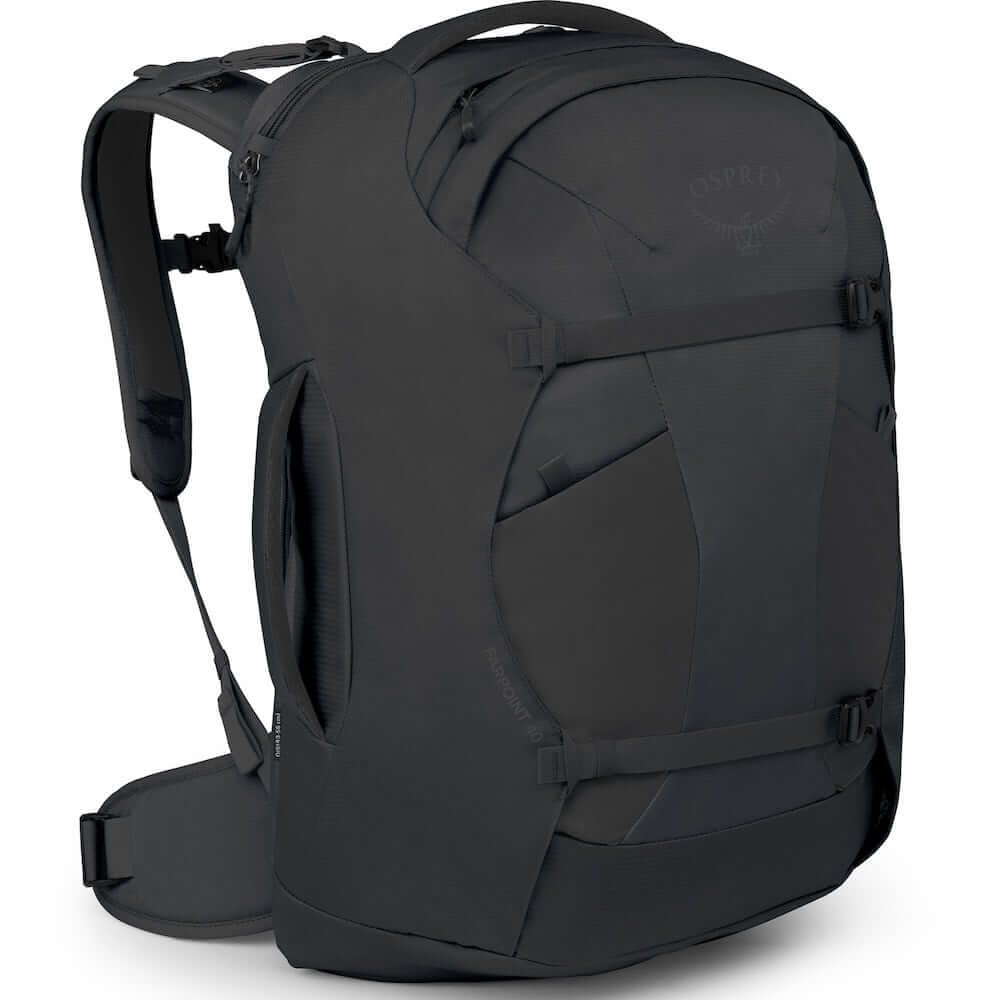
A flexible backpack for both short and long trips, perfect for carry-on only travelers who want to minimize their luggage. Especially ideal for travelers heading out on city breaks. Also works as a larger day bag.
Size: 40L
Straps: Dual front compression straps, two internal compression straps, padded top and side handles
Features: Lockable zippers, toiletry compartment, large front access to main compartment, breathable frame, laptop sleeve
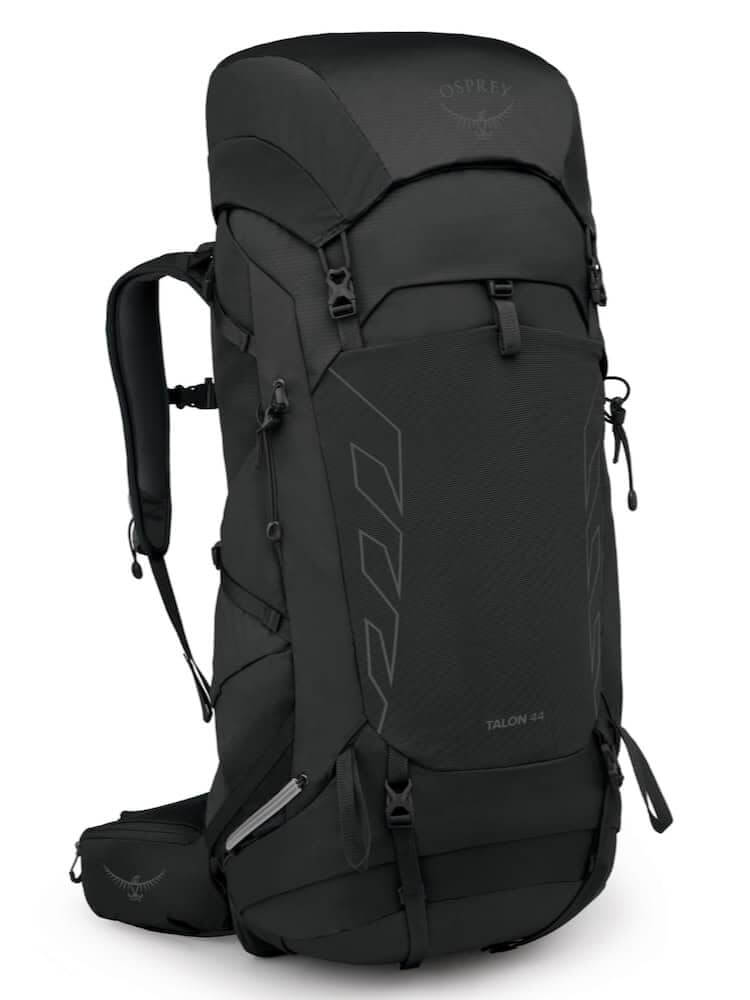
A great choice for travelers who plan to stay active and organized. It’s super comfy, has tons of pockets, and the top and bottom access ensures you can always find what you need. With a deep pocket for a water bottle as well as a hydration bladder, it’s a solid choice for both hikers and backpackers who plan to be on their feet a lot.
Size: 44L
Straps: Dual upper and lower side compression straps, adjustable padded shoulder and waist straps
Features: Hydration compatible, lots of pockets, top and bottom access for easy access/organization
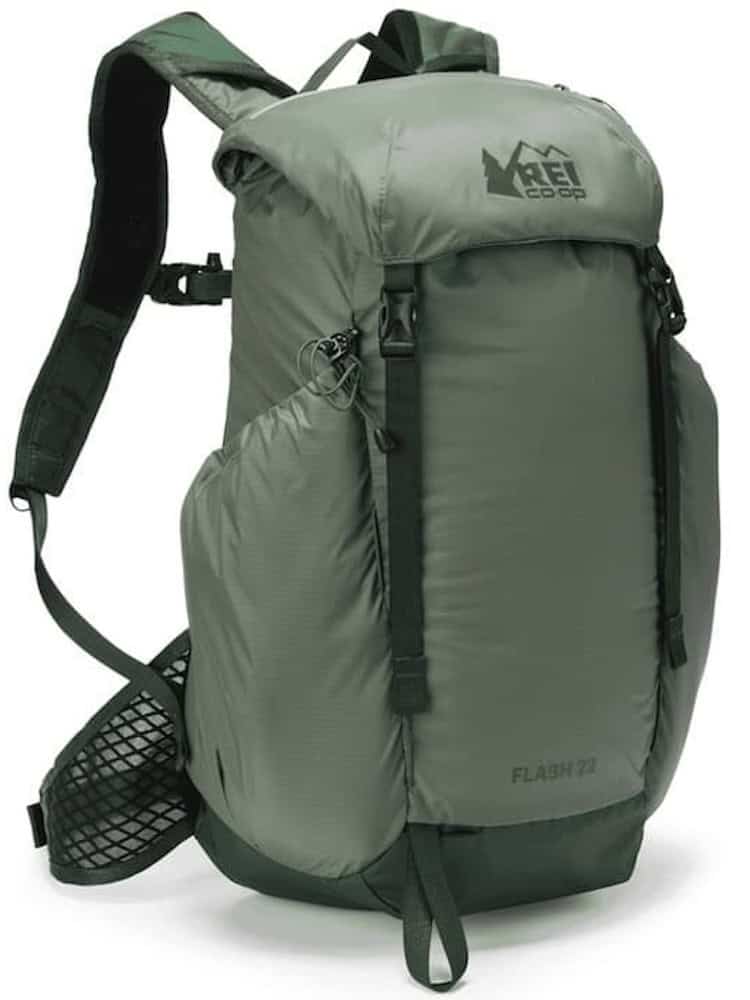
A small but versatile day bag that’s perfect for short hikes or day-long excursions around a city. It’s light, breathable, and even comes with a small pad that you can remove and use as a seat whenever you want to take a break. It’s the smaller version of my go-to backpack, the Flash 55.
Size: 22L
Straps: Breathable mesh shoulder straps, detachable sternum strap, sunglasses loop
Features: Hydration compatible, deep pockets for water bottle, zippered side pockets for easy access, exterior loops for extra storage, breathable back with removable seating pad
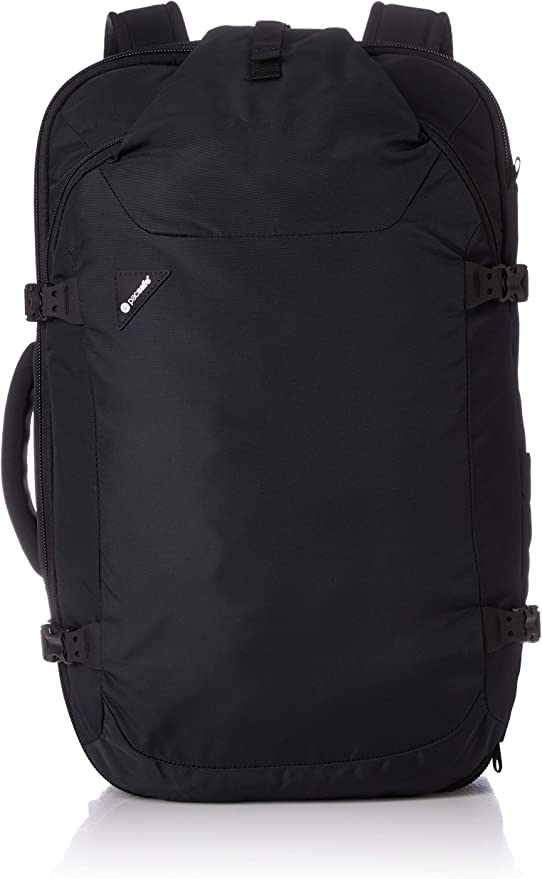
Pacsafe’s bags are all about their extra security features, like exomesh slash guard fabric to protect against “slash-and-run” thefts. It’s a good option if you carry expensive gear.
Size: 45L
Straps: Breathable shoulder and waist straps, sternum strap, external and internal compression straps
Features: Main compartment accessible through back panel, smart zipper security, 15-inch laptop sleeve, water bottle side pockets
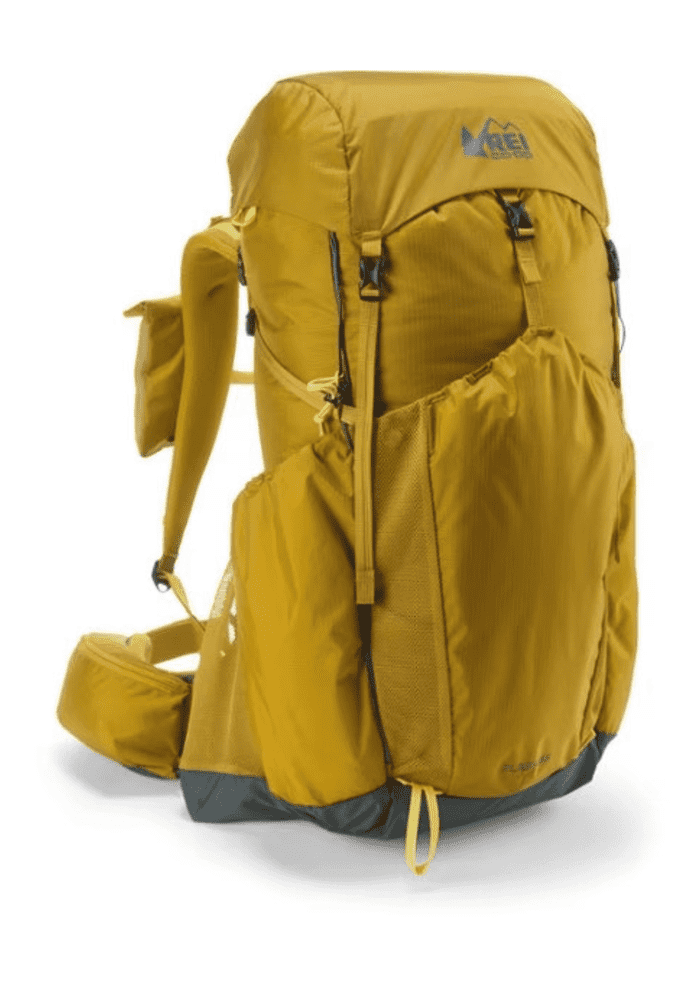
The back paneling on this pack is breathable, and the handy water bottle pocket is located near the front of the hip belt so you never have to take off your backpack to get a drink. The low weight of the bag itself plus the excellent hip support makes for comfortable usage, even for long distances. The design is great!
Size: 53-57L
Straps: Compression technology pulls the pack’s load up and inwards so that the pack is closer to your center of gravity
Features: Removable top lid, large pocket at the front, hydration compatible, 3D contoured hip belt
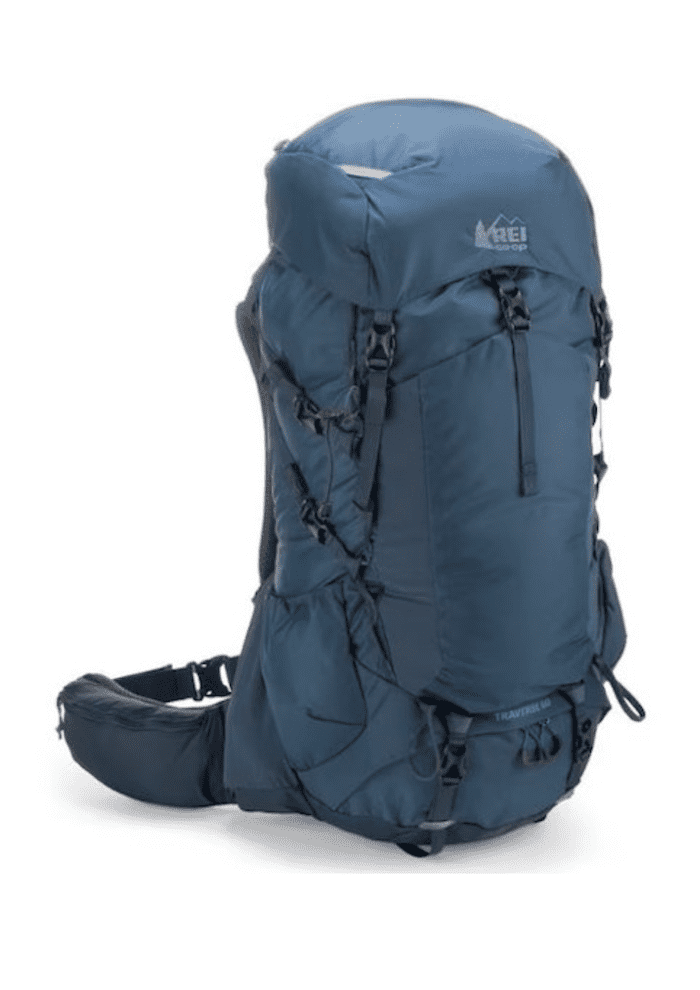
REI’s Traverse pack keeps the weight of your contents well balanced, and comes with a ventilated mesh back panel. The top lid turns into a small day pack or sling!
Size: 60L
Straps: Adjustable padded shoulder straps and hip belt
Features: Large zippered front pockets, accessible water bottle pockets, hip belt pocket, hydration compatible, rain cover
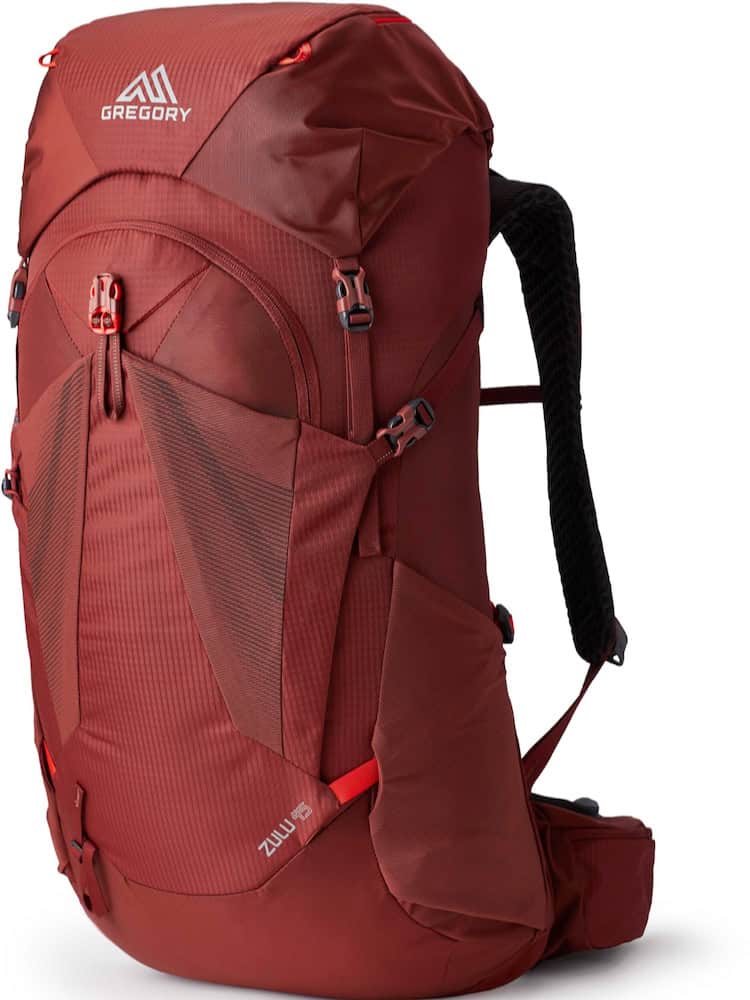
Similar to the Talon 44, this backpack works both for city trips and excursions out into nature. The straps are comfortable enough for hiking and the back panel is well ventilated. With deep pockets for a water bottle and room for a hydration bladder, it’s another solid choice for backpackers who plan to be on the go a lot.
Size: 45L
Straps: Padded shoulder and waist straps, sternum strap, external and internal compression straps
Features: Adjustable torso length, ventilated back panel, hydration compatible, large zippered hip belt pockets, dual mesh pockets plus a large mesh pocket on the front for extra storage
Where to Buy Your Travel Backpack
There are a lot of camping stores out there. Here are the best places to buy a backpack:
- REI – This is my favorite outdoor store. They have amazing service, knowledgable staff, cool events, and the best refund policy ever. This is a place that cares.
- EMS – Another great outdoor store with a wide selection of bags, great places, and friendly staff.
- MEC (Canada) – The REI of Canada is the best place to buy a backpack if you’re Canadian.
- GO Outdoors (UK)– The REI of the UK is the best place to buy a backpack if you’re a UK resident.
 I personally use an REI backpack. REI is an American company that sells a wide variety of sporting, outdoors, and travel gear. I’ve had my backpack since 2004 and it works, looks, and feels just as it did the day I bought it. You know those advertisements where they try to destroy products in order to prove how good they are? Well, my life is that ad. I have put this backpack through the ringer. It’s been crushed, thrown around, dropped, squeezed into tiny places, dragged, and kicked around.
The quality of their products has made me an REI customer for life. I buy all my travel gear there — from daypacks to bug spray to tents to sleeping bags. Additionally, I love REI’s one-year warranty and return policy. I know if something goes wrong, I can take the gear back — even after I’ve used it!
Buying a backpack for your trip is going to be a time-consuming process. You’ll need to try a lot on. If possible, head to your nearest outdoor store to try the bags on. You can get input and advice from the store’s staff, who will be able to answer any and all questions you have about your backpack. They can walk you through the proper fitting process too.
Conversely, you can also just get a bunch sent to your house, load them with all your gear, and try them on to see what one feels right. That way you will know exactly how the bag fits when you have your gear in it, not padding in the store. Return the others (so make sure to check the return policy before purchasing).
However, this process doesn’t need to be too painful if you follow the rules laid out in this post. If you do, you’ll find the perfect travel backpack for your trip in no time at all!
And it will be a backpack that will last you years and years and years!
READ NEXT —-> What to pack on your trip (For women travelers, click here.)
P.S. If you found this article helpful, consider using this link to purchase your bag (whatever brand you go with). The small commission helps me keep the website community supported free from sponsored content.
[ad_2]
Your Guide to Choosing the Best Travel Backpack in 2026

Cara Menemukan Akomodasi Murah & Gratis dalam 7 Langkah Mudah
[ad_1]

Akomodasi adalah salah satu biaya tetap terbesar yang dimiliki wisatawan dan mengurangi biaya itu dapat menghasilkan penghematan besar di jalan! Saya yakin banyak backpacker akan tidur di gudang jika itu adalah akomodasi termurah yang bisa mereka temukan! (Heck, saya tidur di tempat tidur gantung di taman nasional untuk menghemat uang!)
Namun, untungnya, ada cara lain – yang lebih nyaman – untuk menghemat uang akomodasi.
Karena Anda harus menginap di suatu tempat setiap malam, mengurangi biaya akomodasi dapat menghemat banyak uang dari total biaya perjalanan, jadi inilah cara favorit saya untuk melakukannya:
Tip Akomodasi Murah #1: Menginap di Hostel

Hostel adalah salah satu pilihan terbaik bagi wisatawan dengan anggaran terbatas. Di hostel, kamar bergaya asrama dengan semua fasilitas digunakan bersama. Banyak orang yang menganggap hostel sebagai “anak muda” dan tidak tertarik untuk tidur di asrama. Namun banyak orang yang tidak menyadari bahwa banyak hostel menawarkan kamar kecil, single, dan double yang dirancang untuk pelancong solo atau pasangan.
Saya telah bertemu orang-orang di hostel berusia 50an, 60an, dan bahkan 70an! Mitos bahwa tempat tersebut adalah tempat menginap yang kotor dan menjijikkan yang dirancang untuk kaum muda sudah ketinggalan jaman. Banyak hostel menawarkan fasilitas lebih dari hotel dan fasilitas super bersih. AIni bukan hostel yang kamu lihat di film atau cerita horor yang dibicarakan orang tuamu. Semuanya dilengkapi dengan Wi-Fi, meja layanan wisata, bar, tirai di asrama Anda, loker untuk barang-barang Anda, kamar mandi besar, dan banyak lagi!
Meskipun banyak hostel ditujukan untuk wisatawan muda dan menetapkan batasan usia, beberapa jaringan internasional yang lebih besar seperti YHA dan Hostelling International lebih fokus pada wisatawan yang lebih tua atau berkelompok. Saya telah melihat keluarga, grup wisata, dan pelancong lanjut usia di hostel di seluruh dunia. Hostel cocok untuk siapa saja yang ingin bertemu wisatawan lain, berapa pun usianya.
Hostel aman, terjamin, dan murah. Jangan mengabaikannya — bahkan jika Anda bukan bagian dari kelompok backpacker muda.
Situs web pemesanan hostel favorit saya adalah dunia asrama. Mereka memiliki inventaris, penawaran, dan antarmuka terbaik. Jika Anda ingin memesan, pesanlah dengan mereka!
Dan, jika Anda hendak ke Eropa, pertimbangkan untuk membeli AsramaPass. Ini adalah keanggotaan diskon yang menawarkan diskon 10-20% untuk hostel di Eropa (serta diskon untuk aktivitas dan tur).
Tip Akomodasi Murah #2: Tempat Duduk di Rumah/Hewan Peliharaan

Setiap tahun, orang-orang yang memiliki hewan peliharaan pergi ke luar negeri untuk berlibur dan harus meninggalkan hewan peliharaannya. Ini biasanya berarti membayar biaya penitipan hewan yang mahal atau harus melibatkan teman/keluarga untuk menjaga hewan peliharaan Anda. Namun ada pilihan lain: Pengasuh Rumah Tepercaya.
Situs web ini menghubungkan wisatawan yang mencari akomodasi dengan penduduk lokal yang membutuhkan pengasuh hewan peliharaan saat mereka bepergian. Ini adalah peluang bagus bagi wisatawan yang suka bersantai dan benar-benar menghabiskan beberapa minggu (atau bulan) di suatu destinasi. Ya, Anda harus menjaga hewan peliharaan seseorang, tetapi Anda akan mendapatkan akses ke rumah dengan dapur, fasilitas binatu, dan bahkan mungkin fasilitas seperti mobil atau kolam renang. Ini bisa menghemat banyak uang jika Anda seorang pelancong jangka panjang.
Tempat duduk di rumah semakin populer, namun lanskap ini masih kurang dikenal oleh banyak wisatawan. Anda harus membayar untuk bergabung Pengasuh Rumah Tepercaya namun hal ini akan membuka peluang di seluruh dunia. Saya mengenal beberapa pelancong yang duduk penuh waktu, berpindah dari satu tujuan ke tujuan lain sambil menikmati akomodasi gratis di sepanjang perjalanan.
Diperlukan waktu untuk memulai karena Anda perlu mengumpulkan ulasan, tetapi setelah Anda selesai melakukannya, Anda akan dapat menemukan pertunjukan sambil duduk di destinasi yang menakjubkan.
Tip Akomodasi Murah #3: Gunakan Poin Hotel!

Cara terbaik untuk menghemat akomodasi adalah dengan menginap di suatu tempat secara gratis. Anda dapat mengumpulkan poin hotel menggunakan poin kartu kredit dan menukarkannya dengan malam gratis. Ini menyelamatkan saya Jadi banyak uang dalam setahun. Sebagian besar kartu kredit dilengkapi dengan penawaran selamat datang yang setara dengan tiga malam gratis atau lebih. Saya memiliki banyak panduan tentang cara mendapatkan, menggunakan, dan memaksimalkan poin. Jika Anda tidak mengumpulkannya, Anda membuang-buang uang. Berikut postingan untuk membantu Anda memulai:
Saya menghemat ribuan dolar setiap tahun berkat poin dan mil. Ini adalah hal #1 yang dapat Anda lakukan untuk menurunkan biaya akomodasi Anda!
Tip Akomodasi Murah #4: Relawan!

Pekerja asrama jarang bertahan lama, yang berarti selalu ada permintaan akan bantuan baru. Ini cara yang bagus untuk bertemu wisatawan lain sambil menjelajahi destinasi baru. Sebagai imbalan atas beberapa jam kerja setiap hari, Anda akan mendapatkan tempat menginap gratis, memungkinkan Anda menghemat uang dan memperpanjang perjalanan Anda. Banyak hostel yang memiliki papan pekerjaan jika mereka mencari bantuan. Tapi tidak ada salahnya untuk bertanya juga!
Jika Anda ingin mencari peluang sebelum berangkat ke luar negeri, lihatlah pengepakan dunia. Mereka menawarkan wisatawan kesempatan untuk menemukan pengalaman menjadi sukarelawan di luar negeri. Selain hostel, ini dapat membantu Anda menemukan pengalaman dengan LSM, penginapan, dan proyek ramah lingkungan di seluruh dunia.
Cukup itu Situs web Worldpackerdaftar (biayanya $49 USD/tahun, dan mulailah mencari peluang. Ini sangat cepat dan mudah digunakan. Anda akan mendapatkan diskon $10 untuk mendaftar jika Anda menggunakan tautan saya juga!
Tip Akomodasi Murah #5: Tetaplah di Pertukaran Perhotelan

Salah satu cara terbaik untuk mendapatkan akomodasi gratis adalah dengan tinggal bersama seseorang yang tinggal di tempat tujuan Anda. Tinggallah bersama penduduk setempat yang akan memberi Anda tempat gratis untuk mengistirahatkan kepala, informasi lokal, dan seseorang untuk diajak bergaul. Ini adalah salah satu cara favorit saya untuk menghemat uang dan juga memberikan pengalaman budaya yang luar biasa.
Ada beberapa situs web yang mewujudkan hal ini. Dua yang paling populer adalah selancar sofa Dan Selamat datang.
Tip Akomodasi Murah #6: Tetaplah di Peternakan

WWOOF singkatan dari “Peluang Sedunia di Pertanian Organik” dan WWOOF keliling dunia adalah cara yang sangat populer untuk melakukan perjalanan jangka panjang dengan anggaran terbatas. Sebagai imbalan untuk bekerja di pertanian organik, wisatawan mendapatkan kamar dan penginapan gratis — memungkinkan mereka memperpanjang perjalanan tanpa mengeluarkan banyak uang. Meskipun Anda harus bekerja (dan sering kali bekerja keras), ini adalah pengalaman budaya yang luar biasa dan mendalam yang akan membantu Anda memperpanjang perjalanan dan menghemat banyak uang.
Ada ribuan peternakan yang tersebar di 100 negara. Beberapa masa inap berlangsung selama beberapa minggu, sementara yang lain bisa berbulan-bulan. Cukup mendaftar, bayar sedikit biaya, dan Anda dapat mulai mencari peluang!
Untuk informasi lebih lanjut, lihat posting iniyang merinci semua yang perlu Anda ketahui untuk memulai WWOOFing!
Tip Akomodasi Murah #7: Menginaplah di Biara

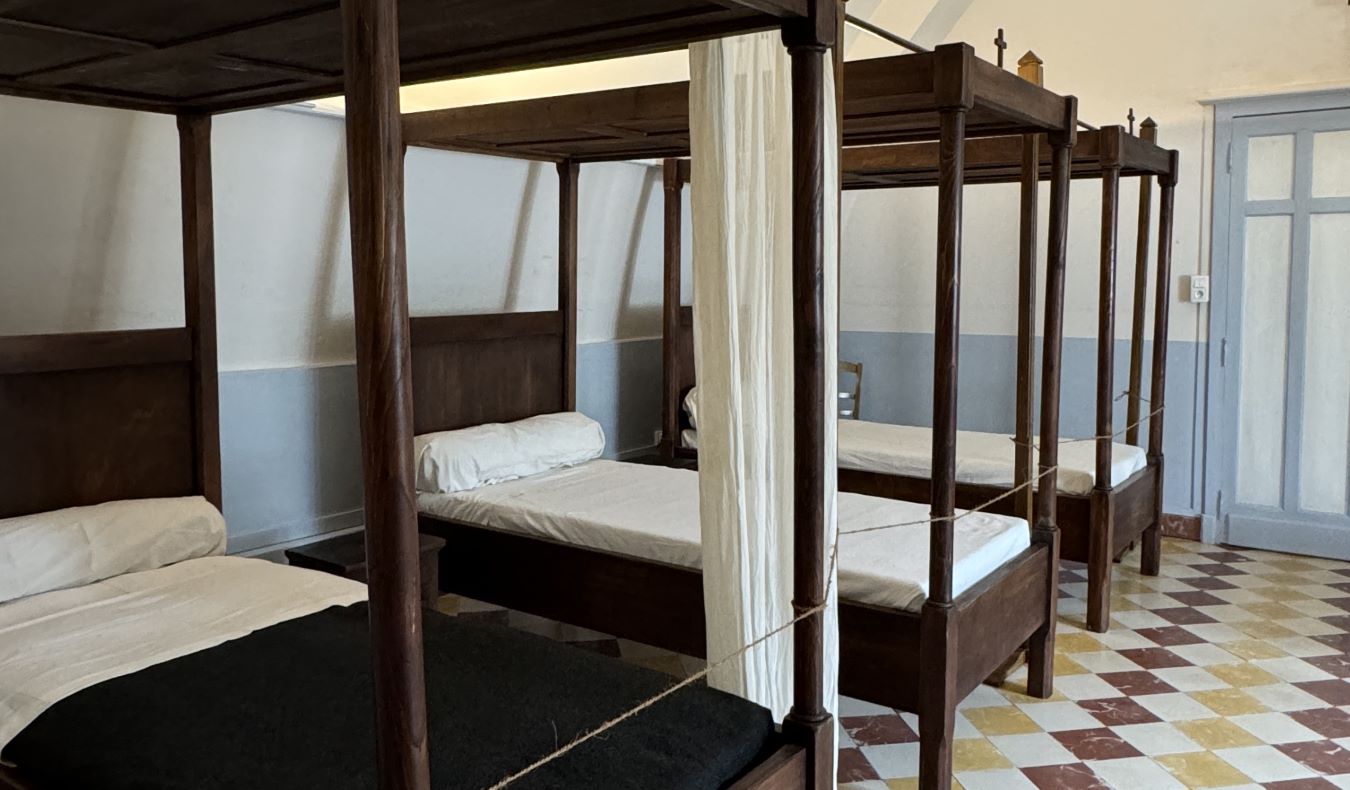
Ingin sesuatu yang benar-benar terpencil? Tinggal di biara. Akomodasi di biara-biara ini seringkali sangat sederhana, hanya berisi tempat tidur dan meja, dengan makanan sederhana yang disiapkan oleh para biksu dan biksuni. Biara sangat ramah keluarga dan tenang (sebagian besar juga memiliki jam malam). Meskipun banyak biara yang biayanya setidaknya $50 USD per malam per orang (banyak yang memiliki asrama dengan setengah harga tersebut), sebagian besar hanya meminta sumbangan atau gratis, menjadikannya pilihan anggaran yang luar biasa juga. Dua sumber daya yang bagus untuk dilihat adalah Penginapan di Biara Dan Cara Tinggal di Biara.
Sumber Daya Akomodasi Favorit Saya

Berikut adalah beberapa situs web favorit saya untuk menemukan penawaran akomodasi terbaik. Jika saya sedang mencari tempat menginap murah, berikut situs yang selalu saya periksa terlebih dahulu:
- dunia asrama – Situs tujuan saya untuk mencari hostel.
- Pemesanan.com – Situs web terbaik untuk menemukan wisma hemat, hotel, dan banyak lagi.
- Pengasuh Tepercaya – Platform rumah dan penitipan hewan peliharaan terbesar (dan terbaik).
- selancar sofa – Aplikasi bagus untuk menemukan akomodasi gratis dengan penduduk setempat.
- Airbnb – Aplikasi andalan saya untuk menyewa apartemen/rumah saat bepergian.
Menemukan akomodasi murah tidak pernah semudah ini — jika Anda tahu di mana mencarinya. Jadi, lain kali Anda bepergian, pertimbangkan salah satu opsi di atas. Mereka akan membantu Anda mengurangi pengeluaran, membebaskan lebih banyak uang sehingga Anda dapat melakukan aktivitas, makan di luar, minum lebih banyak, dan secara keseluruhan, merasakan destinasi yang sudah lama Anda simpan untuk dikunjungi.
Pesan Perjalanan Anda: Tip dan Trik Logistik
Pesan Penerbangan Anda
Temukan penerbangan murah dengan menggunakan Skyscanner. Ini adalah mesin pencari favorit saya karena mencari situs web dan maskapai penerbangan di seluruh dunia sehingga Anda selalu tahu tidak ada kebutuhan bisnis yang terlewat.
Pesan Akomodasi Anda
Anda dapat memesan hostel Anda dengan dunia asrama. Jika Anda ingin tinggal di tempat lain selain hostel, gunakanlah Pemesanan.com karena secara konsisten memberikan tarif termurah untuk wisma dan hotel.
Jangan Lupakan Asuransi Perjalanan
Asuransi perjalanan akan melindungi Anda dari penyakit, cedera, pencurian, dan pembatalan. Ini adalah perlindungan komprehensif jika terjadi kesalahan. Saya tidak pernah melakukan perjalanan tanpanya karena saya harus menggunakannya berkali-kali di masa lalu. Perusahaan favorit saya yang menawarkan layanan dan nilai terbaik adalah:
Ingin Bepergian Gratis?
Kartu kredit perjalanan memungkinkan Anda memperoleh poin yang dapat ditukarkan dengan penerbangan dan akomodasi gratis — semuanya tanpa pengeluaran tambahan. Memeriksa panduan saya untuk memilih kartu yang tepat dan favorit saya saat ini untuk memulai dan melihat penawaran terbaik terbaru.
Butuh Mobil Sewa?
Temukan Mobil adalah situs persewaan mobil internasional yang ramah anggaran. Ke mana pun tujuan Anda, mereka akan dapat menemukan persewaan terbaik — dan termurah — untuk perjalanan Anda!
Butuh Bantuan Menemukan Aktivitas untuk Perjalanan Anda?
Dapatkan Panduan Anda adalah pasar online besar tempat Anda dapat menemukan tur jalan kaki yang keren, tamasya yang menyenangkan, tiket bebas antre, pemandu pribadi, dan banyak lagi.
Siap Memesan Perjalanan Anda?
Lihat milikku halaman sumber daya untuk digunakan oleh perusahaan terbaik saat Anda bepergian. Saya mencantumkan semua yang saya gunakan saat bepergian. Mereka adalah yang terbaik di kelasnya dan Anda tidak akan salah menggunakannya dalam perjalanan Anda.
[ad_2]
Cara Menemukan Akomodasi Murah & Gratis dalam 7 Langkah Mudah
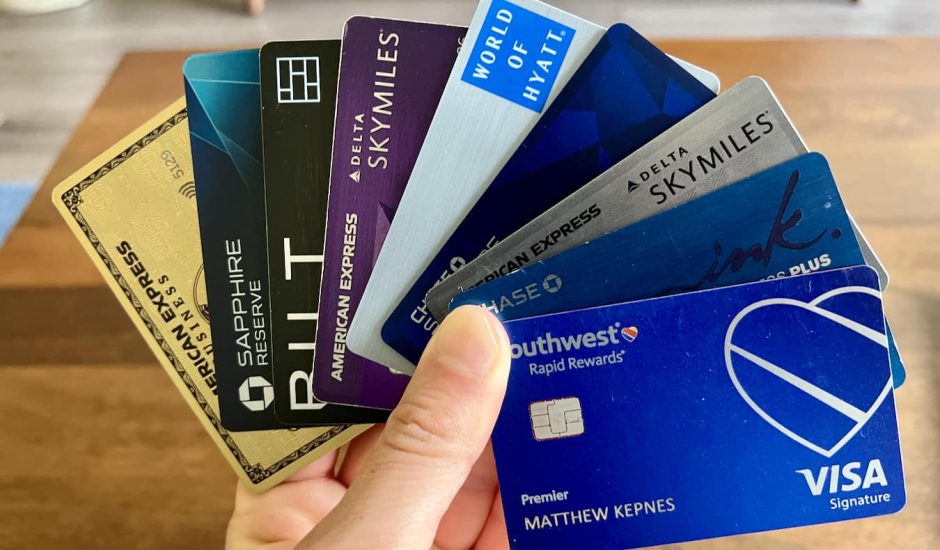
How to Pick the Best Travel Credit Card in 2026 (+ My Top Cards)
[ad_1]
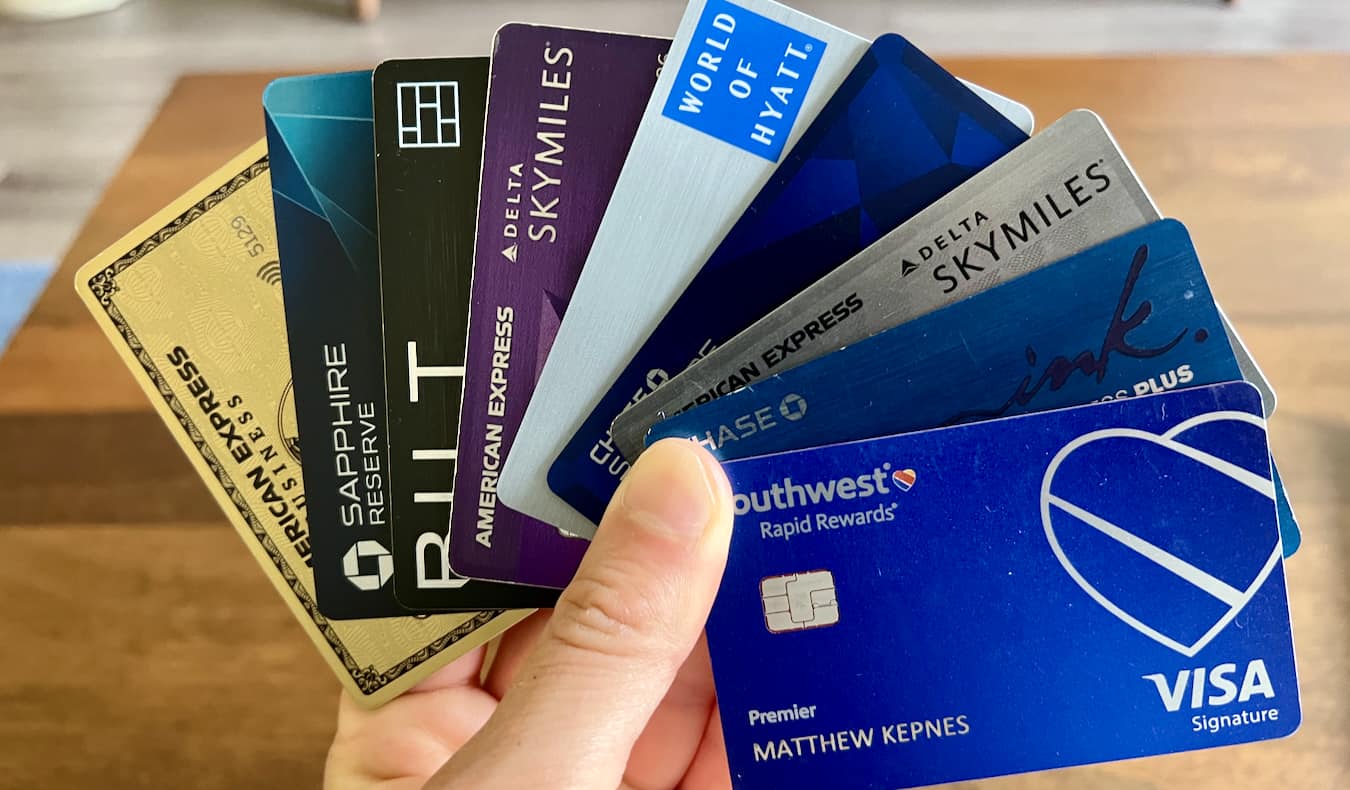
Terms apply to American Express benefits and offers. Enrollment may be required for select American Express benefits and offers. Visit americanexpress.com to learn more.
Here in the US — as well as much of Europe — we love credit cards. You see ads for them plastered all over cities, TV, and online. Your bank likely calls and emails you with credit card offers on a daily basis. They get pushed in airports and at colleges. I can’t count how many unsolicited card offers I get in the mail — and no matter how often I say stop sending them to me, they continue the deluge!
These days, there are HUNDREDS of travel rewards credit cards. And, with so many cards to choose from, it’s hard to know which ones are actually good for travel and which are not worth your time.
It can be especially confusing trying to navigate all the welcome offers, loyalty programs, perks, arcane rules, and hidden fees. Because all the options make people feel overwhelmed, most just pick the card they hear the most about and call it a day. Or, even worse, they just give up and use a debit card instead!
Don’t be like them.
Travel credit cards are an incredible tool you can use to earn free flights, travel perks, and hotel stays — and all without spending extra money.
In this article, I am going to tell you how to easily pick the best credit card for travel so you can maximize your points and earn free travel — because it’s a lot easier than you think!
Quick Overview: The Best Travel Rewards Cards
Don’t want to read this entire post? Fine. I get it. Time is important! So here’s my quick list of favorites by category!
Best Airline Rewards Credit Card
Best Simple, Easy to Use Rewards Card
Travel credit cards offer a great opportunity to earn free points that can be redeemed for airfares, hotels, or cold hard cash. In the race to get customers, credit card issuing companies partner with various travel brands (or just simply offer their own card) that entice consumers with a welcome offer, loyalty points, special discounts, and more.
Their desire to get you, the consumer, is really your gain. By milking the system, you can get tons of free air tickets, hotel rooms, and vacations, or choose to get cash back.
I’ve accumulated close to one million points through welcome offers alone. I get so many points each year; it would take an entire book to just list them off to you.
And, as long as you can pay your credit card off each month, you’ll be able to accrue points and miles that you can redeem for free travel.
The tricky part is finding the card that works for you, your travel goals, and your budget.
So how do you pick the best travel-related credit card? Here’s how:
Step 1: Know There Is No Perfect Card
The first thing you need to know is that there is no perfect travel card. Every card offers different benefits that will fit different lifestyles, budgets, and travel goals. A lot of blogs will tell you to get X card because “it’s the best,” but that’s a lie. There are some better than average cards but the best card is the one that works for YOU and your spending habits.
To figure that out, start by asking yourself, “What is my goal?”
Are you interested in loyalty to a brand, free rewards, or avoiding fees? Do you want to milk the rewards and welcome offers to get free flights, or do you just want a card that won’t charge you a fee for using it at that restaurant in Brazil?
Is elite status the most important perk for you? Do you want points you can use for anything, like cash?
If you just want points to spend wherever you choose, get a card with transferable points. These valuable points can be transferred to multiple airlines or hotel partners and used to book travel directly through their sites.
Just want free hotel rooms? Sign up for hotel cards.
Want miles that can be used like cash? Get a Capital One Venture Rewards Credit Card.
Do you predominantly spend money on a certain category of spending like travel, groceries, or dining out? Then you’ll want a card that gives you the most points in that category (more on that below).
Personally, I dislike Hilton and never fly United so I don’t waste time getting their points. I focus on Delta and Hyatt, which are my preferred brands.
Using credit cards that get me airline miles or that have good transfer bonuses to airline programs is what I go for.
Find your goal and then find the cards that match your goal as well as your spending habits. By first focusing on what you want, you can maximize your short-term goals as you get the hang of how it all works.
Step 2: 6 Really Important Things to Look for in a Travel Rewards Credit Card
Comparing credit cards can be a little overwhelming. To help you stay focused and ensure you get the best card for you and your goals, here are the six things I look for in a new card:
1. A huge welcome offer — The best travel cards offer you a sizable introductory offer. You’ll need to meet a minimum spending requirement (usually within the first few months) but it will be these welcome points that jump-start your mileage account and get you closer to a free flight or hotel stay.
Sometimes these offers are even big enough to get you a few free flights right off the bat! Don’t sign up for a card unless it offers a high welcome offer.
As a general guide, welcome offers work like this: in order to receive the large introductory offer, you must make either a single purchase or meet a minimum spending threshold in a certain time frame (i.e. spend $3,000 within three months). After that, depending on the card, you can earn 1-5x points per dollar spent.
Typical travel credit card welcome offers range between 40,000 and 70,000 points, though sometimes they can be as high as 200,000. That’s why cards are so great—you get an instant balance of thousands of points for very little work.
If you’re not sure you’ll be able to make the minimum threshold for the welcome offer, ask around to see if any friends or family are planning a large purchase. If they’ll let you put it on your card (and then pay you with cash) you can easily meet the minimum spend threshold to earn your welcome points.
2. Low spending minimum — Unfortunately, to get the great bonuses these cards offer, there is usually a required spending minimum. While there are ways to temporarily boost your spending, it’s best to be able to get the bonus using normal day-to-day spending. I typically sign up for cards with a minimum spending requirement of $2,000–5,000 USD in a three- to six-month period.
While you shouldn’t necessarily avoid high-minimum spending cards as they have substantial rewards, it’s a good idea to start small because you don’t want to get stuck with so many cards that you can’t meet the minimum spend. Only apply for cards that you can meet the minimum spend on to qualify for the welcome bonus.
Managing your ability to meet the minimum spending requirements is key because if you are spending more money than you usually do just to get these points, the points are no longer free. Only spend what you normally would and not a penny more.
If you’re looking for ways to meet your minimum spending requirements, check out my guide for some clever ways.
3. Added category spending bonus — Most credit cards offer one point for every dollar spent. However, good credit cards will give you extra points when you shop at specific retailers, or, if it is a branded credit card, with a particular brand. This will help you earn points much more quickly. I don’t want one dollar to equal just one point. I want the ability to get two or three points every time I spend a dollar.
For example, some cards give you 3x points for travel and dining at restaurants, while others give 5x points on airfare. I can get added points when I use a co-branded card to book with that company (i.e. Delta flights with a Delta card). Here are some examples:
2–4x points on restaurants
Chase Sapphire Preferred = 3x
American Express Gold = 4x (if it’s your top spending category)
2–5x on travel
Chase Sapphire Preferred = 2x
Chase Sapphire Reserve = 3x (8x when booked via Chase)
American Express Platinum = 5x
2–4x on groceries
Chase Sapphire Preferred = 3x (online only)
American Express Gold = 4x (if it’s your top spending category)
2x points on all purchases
Capital One Venture or Venture X = 2x
That’s what you want. Never accept one point per dollar spent. Look for at least two. Some cards even offer up to 6 points per dollar spent on certain categories. Be sure to check what the catagory bonuses are before you sign up – and be sure they match your spending habits.
Otherwise, it will take way too long to accumulate enough points for free travel.
4. Have special travel perks – All of these travel credit cards offer great perks. Many will give you a special elite loyalty status or other extra perks. Here are the perks I prioritize:
- No foreign transaction fees
- Free checked baggage
- Priority boarding
- Free hotel stays
- Lounge access
Using travel credit cards is not just about just getting points and miles, it’s about what else comes with these cards that makes my life easier!
5. Low annual fees – No one likes paying annual fees for credit cards. Many of the fees for company-branded credit cards start from $95 per year. For those who travel a lot and fly a lot, I think it is worth it to get a card with a fee.
Fee-based cards tend to give you a better rewards scheme, where you can accumulate points faster, get better access to services and special offers, and get better travel protection. With these cards, I have saved more money on travel than I have spent on fees.
That said, some of the premium cards that have fees of $600 or more a year are always worth it the first year since you get the sign-up bonus and, if you use the card benefits a lot, can be worth it in subsequent years too. Do the math because if you’re getting double the value from the card, a $600 yearly fee card is worth it then!
6. No foreign transaction fees – Credit cards are great to use when you are overseas because you get the best possible exchange rate from them but if you are paying a fee every time you use the card, then it doesn’t become as good. Nowadays, there are so many cards offering no foreign transaction fees that you should never, ever, ever get a credit card with a foreign transaction fee. NEVER!
Does Opening A Lot of Credit Cards Hurt My Credit?
While it’s true that opening and closing a lot of credit cards at once can hurt your credit, applying for a few credit cards over a period of time won’t kill your credit score. Your credit score will slightly dip every time there is an inquiry into whether it is a credit card or home loan or car loan. It’s how the system is set up.
But so long as you space out your applications and pay your bills each month, you won’t find any long-term damage to your credit. Your credit rating rises over time as long as you maintain it. You aren’t going to have a bank officer tell you years from now, “Sorry, because you canceled three credit cards in 2020, your loan is denied.”
I once cancelled four credit cards in one day and the impact on my score? Nothing.
I currently have a few dozen credit cards, a credit score of 825, and have been approved for a mortgage. Having lots of credit actually helps your credit score because you improve your debt-to-credit ratio. This is the most important factor in your credit score. If you keep your balances low and have a lot of available credit, you look like less of a credit risk to banks and your score goes up!
So, as long as you’re paying your monthly balances and spreading out your credit card applications, you’ll be fine. Unless you’re planning to make a big purchase in the near future (like a house or a car), you don’t need to worry about the small dip your credit rating might take.
What If You Have Poor Credit?
Many travel rewards cards are only available to those with a high credit score, and if you have a low score (650 or less), you may find yourself being declined often and limited in your options.
There’s no magic bullet for suddenly fixing your credit score. If you have a low credit score, you need to build it back up. There are ways to do that and point-earning cards that can get you there.
Here are five ways to improve your credit score:
- Go to AnnualCreditReport.com and get a free copy of your credit report. This site lets you know what your credit score is, so you can see what areas you need to work on.
- Dispute any incorrect information on your credit report with the credit reporting agencies (Experian, Equifax, and TransUnion). Don’t let mistakes bring you down.
- Get a secured credit card. These cards require you to put down a cash deposit, think of it like a pre-paid credit card (or a credit-card-in-training). If you decide to put $500 USD in your secured credit card, you can use up to $500 USD each month and then pay it off. Spending and paying off your balance in full each month is a good way to build up your trustworthiness. A good secured card will have automatic reporting to the three major credit bureaus. This will help you build a good credit history and increase your score. Check with your local bank or any credit card issuer to see what they offer, or check out this list of the best credit cards for bad credit. Over time, you can raise the limit and this will raise your score allowing you to move to a regular credit card.
- Become an additional cardholder (authorized user) on the card of someone else with good credit. Essentially, this is like if that person was vouching for you. It can instantly improve your credit score. Warning: Your missed payments will also appear on their account, so don’t add someone or have someone add you if they aren’t on top of their finances. This works both ways!
- Pay all current bills on time and don’t get into more debt. Additionally, move any existing debt to low- or zero-interest cards.
Credit scores improve over time but they don’t take forever — and you don’t need to be debt-free to make it happen. A few smart months of money management and you’ll see your score rise.
All financial institutions have products for people with poor credit. Moreover, ask your local credit union if they have any prepaid cards. Get them and constantly work at it. If you’re passive, it won’t improve, but if you push the banks and prove you’re not a risk, you’ll soon be getting the good cards that include better offers!
You may not get the best deals or cards right away, but you will eventually. It just takes time.
The Best Travel Rewards Credit Cards
With so many credit cards to choose from, which ones do you pick? Well, the short answer is all of them. Grab as many as you can. Why put a limit on how many points you can get?
But the longer answer is don’t get more than you can manage. Build it all up slowly. Here is a list of my favorite travel credit cards:
American Express® Gold Card – This is a great all-around card for those who want more perks and category bonuses. Earn up to 100,000 Membership Rewards® Points after you spend $6,000 in eligible purchases on your new Card in your first 6 months of Card Membership. (Welcome offers vary and you may not be eligible for an offer. Apply to know if you’re approved and find out your exact welcome offer amount – all with no credit score impact. If you’re approved and choose to accept the Card, your score may be impacted.) You can earn 4x Membership Rewards points per dollar spent on purchases at restaurants worldwide, on up to $50,000 in purchases per calendar year (then 1x points for the rest of the year), 4x Membership Rewards points per dollar spent at US supermarkets, on up to $25,000 in purchases per calendar year (then 1X points for the rest of the year), 3x Membership Rewards points per dollar spent on flights booked directly with airlines or on AmexTravel.com, and hundreds of dollars in statement credits each year (enrollment required). Learn more about the card.
Capital One Venture Rewards Credit Card– This card is a great choice for newbies as it’s easy to earn with an unlimited 2x miles on all purchases. LIMITED-TIME OFFER: Enjoy $250 to use on Capital One Travel in your first cardholder year, plus earn 75,000 bonus miles once you spend $4,000 on purchases within the first 3 months from account opening – that’s equal to $1,000 in travel. There are also perks for avid travelers too, like up to a $120 credit for Global Entry or TSA PreCheck®. Earn 5X miles on hotels, vacation rentals and rental cars booked through Capital One Travel, 2x miles on all other purchases, up to $120 credit toward Global Entry or TSA Pre-Check. Learn more about this card.
Capital One Venture X Rewards Credit Card – Capital One’s first premium card has all the bells and whistles you’d expect from a top-tier travel card, including a huge welcome offer. Earn 75,000 bonus miles when you spend $4,000 on purchases in the first 3 months from account opening, equal to $750 in travel! Plus: Earn 10 miles per $1 spent on hotels and car rentals booked through Capital One, 5 miles per $1 spent on flights and vacation rentals booked through Capital One, 2x miles on all other purchases, $300 travel credit when booking through the Capital One portal, up to $120 credit for Global Entry or TSA PreCheck®, and enjoy access to 1,300+ lounges worldwide, including Capital One Lounge locations and Priority Pass™ lounges, after enrollment. This is my favorite top tier consumer card out there and I use it for most of my purchases. Learn more about this card.
The Business Platinum Card® from American Express – This card is a must for any business owner as the travel perks are incredible. The fee is high ($895) but it’s definitely worth it if you have a lot of business expenses and can utilize the majority of the credits and perks: As high as 300,000 Membership Rewards® Points after spending $20,000 in eligible purchases on your new Card in your first 3 months of Membership. Welcome offers vary and you may not be eligible for an offer, Earn 5X Membership Rewards® points for flights and prepaid hotels at AmexTravel.com, 1X points on other eligible purchases, up to $120 credit for Global Entry (every 4 years), $400 Dell credit (enrollment required), lounge access, up to $300 in statement credits semi-annually for up to a total of $600 in statement credits per calendar year on prepaid Fine Hotels + Resorts® or The Hotel Collection bookings through American Express Travel using the Business Platinum Card®. The Hotel Collection requires a minimum two-night stay, select one qualifying airline to receive up to $200 back per year on baggage fees and other incidentals, get up to $209 back per calendar year on your CLEAR+ Plus Membership (subject to auto-renewal), up to $10 in statement credits per month for wireless telephone service, and so many other perks and credits! This is the top tier business card to get for heavy travelers. Learn more about the card.
Chase Ink Business Preferred – This is the best low fee business card out there. The bonuses on travel and office expenses really add up! You can earn 90,000 bonus points after you spend $8,000 on purchases in the first 3 months from account opening. That’s $900 cash back or $1,125 toward travel when redeemed through Chase Travel(SM). You can earn 3x points per dollar on the first $150,000 spent each year on shipping, internet, phone, travel, and online advertising, and 25% more redemption value via Chase Travel. Learn more about this card.
For a larger list, here’s a link to a list of my favorite card offers.
Want More? Learn How to Travel for FREE with My Book!
Want to fully maximize your travel credit cards? From taking your family to Europe, flying first class, to sleeping in an overwater bungalow in the Maldives, I wrote a book that will teach you how to master frequent flier and hotel loyalty programs to gain hundreds of thousands of points per year so you can travel for free. In this book, you’ll get:
- How to spot and get the best earning cards
- How to master the ins and outs of loyalty programs
- How to maximize your everyday spending for bonus points
- The secret art of earning points for free
- How to always find an award flight or hotel room
- Where to discover the best travel deals
- The tools and resources travelers use to unlock secret fares and deals
- Step-by-step cheat sheets
Opinions, reviews, analyses & recommendations are the author’s alone, and have not been reviewed, endorsed, or approved by any of these entities. This page does not include all card companies or all available card offers.
Eligibility and Benefit level varies by Card. Terms, Conditions, and Limitations Apply. Please visit americanexpress.com/benefitsguide for more details. Underwritten by Amex Assurance Company.
Non-Affiliate disclosure: All information about Chase Cards has been collected independently by Nomadicmatt. Chase Cards are no longer available through Nomadicmatt.
[ad_2]
How to Pick the Best Travel Credit Card in 2026 (+ My Top Cards)
18 Major Travel Scams to Avoid in 2026
[ad_1]
On my first big trip abroad I got scammed twice on the same day.
My friend Scott and I had just arrived in Thailand. We were in Bangkok trying to find a boat cruise to take us up and down the Chao Phraya River. A taxi driver suggested this one company; we went there and found out that an hour-long tour was only $30 USD.
Not even thinking about whether that was a deal or not, we agreed. To us — still thinking about prices back home — that offer seemed like a fair price. It was only as the boat tour ended early that we realized we might have been ripped off (later on, we found out that we paid double the price).
Then, after lunch, we wandered over to the Grand Palace. When we got there, we didn’t see any crowds. We looked down the left side of the palace, then over to the right.
“Where is everyone?” I asked.
An enterprising tuk-tuk driver came over to us and told us the palace was closed for lunch. Scott and I looked at each other. Maybe that was right. After all, many museums sometimes do that, plus we didn’t see anyone around. It seemed feasible. He offered to take us to a few that were open.
“Sure,” we replied — and found ourselves visiting not only a few temples but also a suit shop, a gem shop, and a souvenir shop.
Afterward, he took us to the palace (which was unsurprisingly open). It was then we realized that it had never been closed — we had just been on the wrong side of the building.
We had been scammed.
My life as a traveler was not off to a good start.
Travel scams are real — and they vary from country to country. If you are carrying a travel guidebook, it will list the most common scams in that specific country.
To help you stay safe, today, I want to give you a list of common travel scams to avoid.
Avoiding travel scams requires a lot of common sense and a healthy dose of suspicion. If it seems too good to be true, it probably is!
Here are some of the more universal scams you’ll want to avoid:
1. The taxi overcharge
This is one of the most common travel scams out there. Either the driver will tell you the meter is broken and try to charge you a huge rate or you’ll see the meter go higher and faster than usual
To avoid this scam, first, you need to know how much a ride should cost. I always ask the hostel or hotel staff what a ride should be so I have a frame of reference.
Next, if the cabbie tries to negotiate the rate with me, I offer him the correct rate. If he refuses, I find someone who will put the meter on. If the meter seems to be going up too quickly, I have them pull over and I get out. Many tourism boards let you report bad cab drivers so be sure to always make a mental note of their ID number when you get in the cab.
When in doubt, ask your hostel/hotel staff to call a cab for you. They will know which companies are reputable.
And never get in an unlicensed cab — no matter how amazing the deal is!
2. Your accommodation is “closed”
This is another cab-driver-related scam. In this scam, your driver will tell you your hotel or hostel is overbooked or even closed. It’s not. I mean, you wouldn’t have booked it if it was, right? Just ignore them and insist on going there. If they keep trying, continue to insist. They will usually shut up about it.
And while this seems like a scam no one could possibly fall for, people do. I’ve been in many cabs where they insist my hostel has been closed for months.
A note on taxis: In this smartphone era, we have our power back. We’re no longer helpless because we can look on a map and see the actual correct route. I like to look on Google Maps and see what the best route is. If it looks like they aren’t taking it, I’ll usually point to the map and insist they go that way. (I once left a taxicab in Bangkok because he tried to pull a fast one on me by taking a longer route.)
These days, I always have data thanks to cheap eSIMs, but if I won’t have phone access for whatever reason, I download the map onto my phone. Your phone’s GPS will work even if you don’t have a connection. Additionally, ride services like Uber place accountability on drivers, which greatly reduces the likelihood of you being cheated.
3. The shell game
I see this one all the time — how people fall for it I’ll never know. It’s such an old and obvious scam. It’s in movies, for heaven’s sake! You’ll see people on the street playing a card game (sometimes known as three-card Monte) or hiding a ball in a cup and someone guessing where it is and winning money. Then you decide to play — and you win! Thinking this is great, you bet more money…and then you lose — and lose again and again.
Here’s a short video on how the trick works:
Don’t get suckered into this con. Remember, the house always wins!
4. “Come in for tea and help me write a letter!”
While in Morocco, someone tried this travel scam on me. I was walking out of a convenience store when a guy struck up a conversation. Finding out I was from NYC, he said he had a cousin who lived there (the first giveaway) and wanted to know if I could come to his shop to write a postcard for him (the second giveaway).
The goal here was to get me in the shop, maybe give me some tea, and then pressure me into buying something. This uses the psychological principle of reciprocity: he gave me tea, he was nice to me, so soon I’ll feel socially obliged to buy something.
Similarly, a common tea scam in China involves a beautiful local woman who wants to practice English. Due to the culture shock, many men are more than happy to speak English to a friendly local. She invites you to try a tea ceremony, so you go to a tea house (commonly near the Forbidden City).
After a while, the owners bring you the bill, it’s a huge amount of money and the owner threatens to call the police unless you pay up. As most travelers don’t want any problems, they pay up.
To avoid this, don’t follow people to a second location or believe they suddenly have a cousin who happens to live exactly where you do!
5. Free bracelets/rosemary/anything they can put on you
In this scam, common in Europe, a friendly person will approach you for a quick chat, then place a bracelet around your wrist or hat on your head, or give you a little sprig of rosemary. Once you have it on your person, they will demand money. When you refuse, they will begin to cause a scene in the hopes you would rather give them some money than be embarrassed.
Don’t allow anyone to put anything on your body, and be extremely wary of accepting anything for free. If they put something on you, simply take it off, give it back to them, and be firm about it. Then walk away and move on with your day. They won’t chase you.
Another common variation on this scheme is the fake monk. You’ll find this one everywhere from NYC to Europe to Asia. The “monk” will put a Buddhist bracelet on your wrist and then ask for a “donation.” Real Buddhist monks don’t wander the streets hawking cheap bracelets, so always ignore any monks that look to be peddling trinkets.
6. The spill on your clothes
There you are, minding your own business, and someone spills something on you. Ruins your day, but accidents happen, right? They are profusely sorry and offer to clean it up, dabbing the stain, and apologizing. While you are all flustered, they are picking your pocket. By the time you realize what has happened, they are long gone.
This scam is also common in Europe. Beware of people encroaching on your person if it’s not a crowded area already. If this happens, push people away and clean it up yourself.
Another variation on this is the “poo shoe.” Particularly common in India, this scam involves someone squirting animal poop on your shoe when you’re not looking. When you notice, they “help” you find someone to clean your shoe (or they do it themselves) for an exorbitant fee. Conversely, sometimes you will just get pickpocketed while looking down at your shoe to see what happened.
Either way, if you get poop on your shoe, be wary!
7. Motorbike scam
You rent a motorbike and spend the day exploring. When you bring it back, the owner demands an additional payment or expensive repairs because there is some damage you didn’t know about. In some cases, they will have asked you to leave your passport as collateral instead of a deposit “since it’s easier.” Then, when they inspect the motorbike afterward and “find” new damage, you have to fork over a lot of money because they’re holding your passport hostage.
I see this scam a lot in Southeast Asia and other developing regions of the world.
To avoid this, take photos of the bike first to document any previous damage. Go around it with the owner so they know what you are taking pictures of. Use your own lock, and keep the bike out of sight and off a main street when you park it. Sometimes an owner will send someone to mess with the bike or steal it so you have to pay!
Also, always make sure you buy travel insurance so you can make a claim if there is an issue.
(This scam is much less common with rental cars, but it can still happen so always take photos and video of your vehicle before you leave the parking lot — and make sure the company knows you’re doing so.
8. The flirtatious local
You arrive in a new country and head to a bar, where a beautiful local comes up to you for a chat. You can’t believe your luck. You have some drinks and amazing conversation and go to a new bar or club that she suggested. However, after a wild night and lots of drinks, the woman disappears and you’re forced to pay an overpriced bill with some really big guys bearing down on you to make sure you do. Or, worse, you get drugged and wake up completely robbed of everything on you.
Another thing to be aware of is that when attractive locals are sitting by themselves at a bar they might be ‘working’ (i.e. a sex worker). It’s important not to get into an uncomfortable position where you may have misread the “chemistry” for what it really was: a business transaction you need to pay for.
The simple solution to this is to be wary of attractive locals who promise to take you to the world’s best club, get you drinks, or are overly flirtatious — especially when you stand out like a sore thumb as a foreigner. Getting on a plane didn’t increase your attractiveness by a factor of 10.
9. Your attraction is closed for lunch
As mentioned, this is what happened to me and I fell for it hook, line, and sinker! A friendly local approaches and informs you that the attraction you want to visit is closed for any number of reasons (religious ceremony, holiday, etc.). Then they’ll guide you to a different attraction or shop, where you’re pressured to purchase something or pay a lot for entry.
To avoid this, find the main entrance or ticket counter and see for yourself. Also, keep in mind that most attractions don’t close for lunch — they close for the day. Even better, look up the open hours before you go, so you know what to expect — opening and closing times are almost always available online. Don’t be like me!
10. The “found” ring
An innocent-looking person picks up a ring on the ground and asks if you dropped it. When you say no, the person looks at the ring closely, then shows you a mark “proving” that it’s pure gold. He or she offers to sell it to you for a better price. They make some money, and you get some gold you can resell. It’s a win-win! You think it’s a good deal, buy it, find out it’s fake when you try to sell it at home!
This is common in Europe. One of my tour members almost fell for it when we were in Paris, but I intervened in time and sent the person away. The best way to avoid this scam is to not buy the ring. If it sounds too good to be true, it definitely is.
11. The fake petition
You’re at a popular tourist site and a woman or kid (often pretending to be deaf or a student) will try to get you to sign a petition. You don’t know what they are saying, and to end the awkwardness, you sign the petition, hoping they will go away. But the petitioner then demands a cash donation. At best, anyone who falls for this scam is out some money; at worst, they’re pickpocketed while fighting with the petitioner.
Another one of my tour members fell for this scam (even after I warned him specifically about it), but I saved him in time. To avoid this scam, just ignore people coming up to you to sign a petition, especially when they are in groups and try to surround you. Just keep on walking.
12. The drug deal gone bad
This scam is common in many developing countries — especially those with a lively party scene like in Southeast Asia. You’re in a popular tourist area and someone offers you drugs. You say yes, and before you know it, a (real) cop is on the scene! They threaten to arrest you unless you pay a fine right there (i.e., a bribe). If caught red-handed, you’ll probably pay the bribe rather than go to jail.
To avoid this scam, don’t buy illegal drugs in other countries!
13. The wrong change
This happens a lot in countries where the bills look similar to each other. People tend to look at colors first, so when you get a pile of change that is the same color, you think you got the right change — but they really gave you the wrong bills, hoping you won’t notice until after you rush out.
To avoid getting taken, count your change carefully every time.
14. The switcheroo
This happens all over the world and mostly with shirts, carpets, rugs, and antiques. You’re at a store and you see a designer item at a bargain price. Maybe they got it wholesale? After some haggling, the owner agrees to sell it to you. But while you aren’t paying attention, he gives you a knockoff.
To avoid this scam, remember that no designer anything is going to be that cheap. Remember, if it seems too good to be true, it’s not true.
Second, be sure to always watch what the seller is actually giving you to be sure it’s the exact item you wanted.
15. The ATM scam
When you go to use an ATM, a “helpful” local will approach you to help you avoid the ATM fee. What they are really doing is using a card skimmer to steal your credit card information once they get close. Often there is a second person in line pretending to be a customer who will agree with the “helpful” person’s tips.
To avoid this one, always use indoor ATMs inside a bank branch. Additionally, always check the ATM itself for a card skimmer. Here’s a video on how to do that:
Lastly, never let anyone get close to you when you’re using an ATM. If people are acting suspiciously, take your card and leave.
16. Child & injured beggars
This scam can be found pretty much everywhere. Usually, an injured person or young child (sometimes with their mother) will approach you and ask for money. This is a tough one because you’ll feel compelled to help. Unfortunately, a lot of children have been roped into gangs and collect money on their behalf. And sometimes, an accomplice is waiting nearby to see where you keep your wallet so they can pickpocket you later.
Since it’s impossible to know who is legit and who is faking it, I never give money to injured beggars or children. Instead, I’ll make a donation to a helpful charity or offer them food.
17. Fake Wi-Fi hub
These days, everyone is always on the lookout for free Wi-Fi. One common scam hackers will do is create a free unlocked Wi-Fi hub and then, once you’ve logged onto it, they steal your data.
The solution? Never join any unsecured networks and always use a VPN when you’re abroad. It will keep your data secure. My go-to VPN is Surfshark
Additionally, don’t access any sensitive data while on an unsecured network, such as your online bank. And if you’re not sure what network to connect to, ask the staff. Better safe than sorry!
18. Fake currency scam
In cities where there are a lot of currency exchanges near popular tourist attractions, a person might come up to you and ask if you want to change some money. They’ll offer you a fantastic rate and say they don’t charge commission. They might even tell you they work for an exchange place nearby or even have some sort of name tag on. The money they show you is real and they will show you all the ways it’s NOT counterfeit.
However, once you exchange some, you’ll discover that some of the notes (usually in the middle of the stack) are fake — but by that time the person is gone. As a rule, if it sounds too good to be true, it probably is, so stick to reputable currency shops.
Chances are you’ve been scammed abroad at least once. It happens. But, to avoid getting ripped off in the future, be wary when it comes to people offering you something in a touristy setting. Think of it this way: in your day-to-day life back home, would you go for it?
If the answer is no, then chances are it’s a scam you need to avoid.
On the road, a little common sense goes a long way.
STAY PROTECTED ON THE ROAD!
Worried about getting something lost, stolen, or falling for a scam? Make sure you get travel insurance coverage so that if something does happen, you can be made whole again and recover your losses! I never leave home without it! You can use the widget below to get your quote today:
How to Travel the World on $75 a Day
My New York Times best-selling book to travel will teach you how to master the art of travel so that you’ll get off save money, always find deals, and have a deeper travel experience. It’s your A to Z planning guide that the BBC called the “bible for budget travelers.”
Book Your Trip: Logistical Tips and Tricks
Book Your Flight
Find a cheap flight by using Skyscanner. It’s my favorite search engine because it searches websites and airlines around the globe so you always know no stone is being left unturned.
Book Your Accommodation
You can book your hostel with Hostelworld. If you want to stay somewhere other than a hostel, use Booking.com as it consistently returns the cheapest rates for guesthouses and hotels.
Don’t Forget Travel Insurance
Travel insurance will protect you against illness, injury, theft, and cancellations. It’s comprehensive protection in case anything goes wrong. I never go on a trip without it as I’ve had to use it many times in the past. My favorite companies that offer the best service and value are:
Want to Travel for Free?
Travel credit cards allow you to earn points that can be redeemed for free flights and accommodation — all without any extra spending. Check out my guide to picking the right card and my current favorites to get started and see the latest best deals.
Need a Rental Car?
Discover Cars is a budget-friendly international car rental website. No matter where you’re headed, they’ll be able to find the best — and cheapest — rental for your trip!
Need Help Finding Activities for Your Trip?
Get Your Guide is a huge online marketplace where you can find cool walking tours, fun excursions, skip-the-line tickets, private guides, and more.
Ready to Book Your Trip?
Check out my resource page for the best companies to use when you travel. I list all the ones I use when I travel. They are the best in class and you can’t go wrong using them on your trip.

Sepuluh Tahun Pengembara: Perjalanan Pulang Seorang Pelancong
[ad_1]
Setelah delapan belas bulan menulis dan mengedit, buku baru saya, Sepuluh Tahun Pengembara: Perjalanan Pulang Seorang Pelancongsedang dijual sekarang.
Buku ini adalah memoar tentang sepuluh tahun saya bepergian dan backpacking keliling dunia, filosofi saya tentang perjalanan, dan pelajaran yang saya pelajari selama ini untuk membantu Anda bepergian dengan lebih baik. Ini mengikuti perjalanan emosional dari perjalanan keliling dunia: mendapatkan bug, perencanaan, berangkat, suka dan duka, teman-teman, apa yang terjadi ketika Anda kembali — dan pelajaran serta nasihat yang menyertai semua itu.
Selain itu, Anda akan mendapatkan cerita yang belum pernah saya ceritakan dan mendalami filosofi perjalanan saya lebih dalam daripada yang pernah saya dapatkan di blog ini.
Tapi ini bukan semua tentangku.
Ini tentang apa yang saya pelajari dan bagaimana Anda dapat menerapkannya dalam perjalanan Anda. Bagaimana Anda bisa mendapatkan inspirasi, mengatasi ketakutan Anda, bertemu orang-orang, dan menjadi wisatawan yang lebih baik. Berbeda dengan buku-buku saya sebelumnya, buku ini bukanlah “cara memandu” melainkan kumpulan tips, nasihat, dan cerita dari perjalanan yang dapat digunakan di mana pun Anda berada atau berapa lama Anda akan bepergian.
Buku ini menyentuh inti nafsu berkelana dan apa yang dapat diajarkan oleh perjalanan panjang keliling dunia tentang kehidupan, diri kita sendiri, dan tempat kita di dunia. (Atau setidaknya mencoba melakukannya.)
Singkatnya, ini adalah karya saya tentang perjalanan.
Dalam buku ini, Anda akan menemukan:
- Cerita asrama yang gila
- Bagaimana rasanya berkeliling dunia selama sepuluh tahun
- Filosofi saya dalam perjalanan
- Pelajaran yang didapat dari perjalanan
- Cara mengatasi kelelahan perjalanan
- Bagaimana cara berteman
- Kisah dan wawasan inspiratif
Jika Anda ingin tahu bagaimana rasanya berkeliling dunia dan menjalani hidup dengan tas ransel, buku ini akan memberi tahu Anda. Jika Anda ingin terinspirasi untuk bepergian dan lebih memahami bagaimana Anda bisa melakukannya, buku ini cocok untuk Anda.
“Inspirasional!” – Cheryl Tersesat
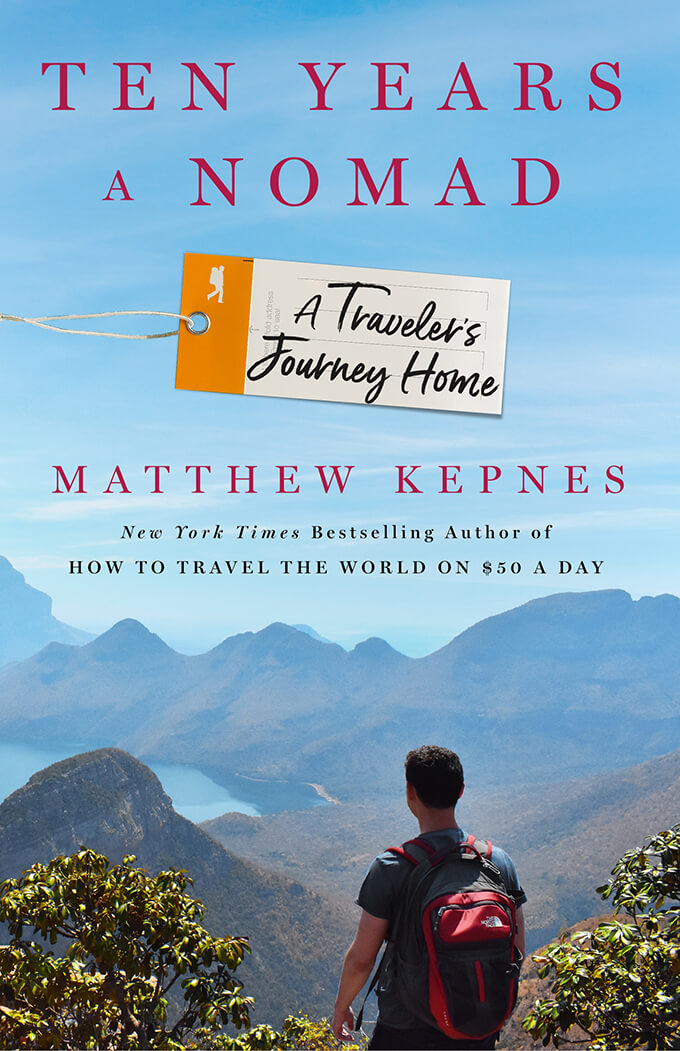
Dapatkan Memoarnya Sekarang!
Tersedia dalam paperback, Kindle, dan Audio dari penjual buku berikut:
(Atau kunjungi toko buku independen setempat dan beli salinannya!)
Berikut beberapa orang hebat yang mengatakan betapa hebatnya buku ini:
“Inspirasional!” – Cheryl Tersesat
“Dalam penjelasan dan penjelajahannya yang tulus, Matt menjelaskan alasan dia berada di luar sana, menjelajahi dunia selama 10 tahun. Pada akhirnya kita benar-benar menyadari, seperti Matt, betapa pentingnya perjalanan dan bagaimana melakukan perjalanan ke sana, di jalan raya, dapat membuat Anda, saya, dan dunia menjadi tempat yang lebih baik. Sangat disayangkan orang-orang tertentu yang berada di puncak piramida kekuatan dunia tidak pernah merasakan sedikit pun pengalaman nomaden.” – Tony Wheeler, pendiri Lonely Planet
“Sepanjang renungannya tentang bagaimana perjalanan mempengaruhi dirinya, Kepnes menjalin kisah-kisahnya tentang teman-teman, pacar, dan cinta besar yang ditemukan di antara latar belakang eksotis dan bagaimana memulai sebuah blog (nomadicmatt.com) tentang petualangannya mengubah cara dia bepergian. Kisahnya adalah kisah tentang patah hati, penemuan diri, dan rasa gatal yang terus-menerus dalam perjalanan yang harus dia garuk untuk menjadi pria yang seharusnya. Sebuah bacaan yang menghibur dan cepat oleh seorang pria yang melakukan apa yang hanya diimpikan oleh banyak dari kita.” – Resensi Buku Kirkus
“Ten Years A Nomad adalah memoar inspiratif dari orang yang tidak konvensional. Bukunya memikat Anda dengan pola pikir nomaden: bahwa Anda tidak pernah terjebak dalam satu identitas, bahwa Anda selalu dapat berubah dan dunia memiliki lebih banyak hal untuk ditawarkan kepada Anda daripada yang Anda tahu.”- Booktrib
“Buku ini bukan hanya untuk pelancong; ini untuk siapa saja yang menginginkan lebih dan ingin menemukannya.” – Los Angeles Times
“[These] cerita akan membuat pembaca merencanakan perjalanan mereka sendiri. Penggemar Kepnes dan penggemar perjalanan akan menikmati petualangan ini dengan pemandu yang andal dan ramah.” – Penerbit Mingguan
“Dengan pengalaman yang diperoleh dengan susah payah, mata terbuka lebar, dan semangat seorang pengembara yang berdedikasi, Kepnes mendorong pembacanya untuk menemukan petualangan mereka sendiri, dan kisahnya memberikan peta jalan bagi siapa pun yang memilih untuk mengejar impian mereka, ke mana pun mereka pergi.” – Daftar Buku
“Matt mungkin adalah orang yang paling sering bepergian yang saya kenal… Pengetahuan dan hasratnya untuk memahami dunia tidak ada bandingannya, dan selalu membuat saya takjub.” – Mark Manson, penulis buku terlaris New York Times, The Subtle Art of Not Giving a F*ck
“Matt mewujudkan impiannya. Impiannya adalah: berhenti dari pekerjaan Anda, hidup di mana pun Anda inginkan, hidup tanpa kompromi, cari tahu bagaimana melakukannya dengan murah sambil tetap mendapatkan penghidupan yang baik, dan jalani kehidupan yang Anda pilih, bukan apa yang masyarakat pilihkan untuk Anda. Dengan kata lain, bacalah buku ini.” – James Altucher, pengusaha, investor, dan penulis buku terlaris
Dapatkan Memoarnya Sekarang!
Tersedia dalam paperback, Kindle, dan Audio dari penjual buku berikut:
[ad_2]
Sepuluh Tahun Pengembara: Perjalanan Pulang Seorang Pelancong
Panduan Anda untuk Pengepakan pada tahun 2026
[ad_1]
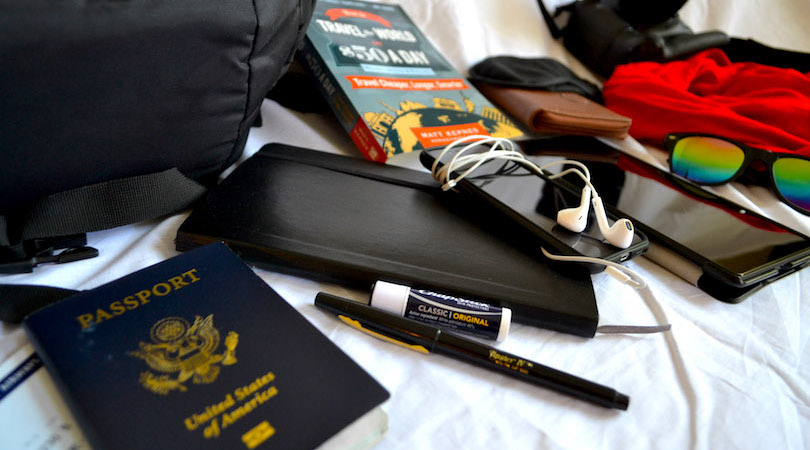
Apa yang saya bawa di tas telah banyak berubah selama bertahun-tahun. Sebagian besar perubahan tersebut berkaitan dengan kenyataan bahwa saya sekarang membawa banyak perlengkapan yang berhubungan dengan blogging, namun hal ini juga mencerminkan bahwa saya telah belajar banyak tentang pengepakan sejak pertama kali saya berangkat pada tahun 2006.
Saya telah mempelajari berbagai teknik pengepakan selama bertahun-tahun. Saya bepergian dengan tas ransel besar, paket 60L, paket 30L, tas jinjing, dan segala sesuatu di antaranya. Saya telah melakukan semuanya dan di semua musim.
Dan hari ini saya ingin berbagi ilmu tersebut kepada Anda agar Anda bisa menjadi packing yang lebih baik karena banyak orang selalu ingin tahu apa yang harus mereka bawa untuk perjalanan mereka.
Jawabannya?
Sesedikit mungkin.
Mengemas barang yang ringan adalah hal yang klise, namun ada benarnya juga. Semakin sering saya bepergian, semakin saya menyadari bahwa saya tidak membutuhkan banyak barang. Semua yang saya butuhkan sekarang sudah sesuai satu ransel (untuk rekomendasi lebih lanjut dari pengujian ransel saya selama bertahun-tahun, klik di sini untuk ransel perjalanan terbaik saya.
Saya suka menuliskan semua yang saya pikir akan saya perlukan sebelum saya pergi — dan kemudian memotongnya menjadi dua. Saya selalu bertanya pada diri sendiri, “Apakah saya akan menggunakan ini cukup untuk membenarkan bobotnya?”
Seringkali jawabannya adalah tidak.
Saya hanya mengambil yang penting saja, dan jika saya benar-benar membutuhkan sesuatu yang tidak saya bawa, saya membelinya di jalan. Tidak sulit mencari obat, pakaian, atau payung di luar negeri.
Saya juga mencoba untuk tetap pada iklim yang sama selama perjalanan untuk menghindari keharusan membawa banyak jenis pakaian yang berbeda. Saya tidak ingin membawa-bawa sweter Thailand! Namun, rencana bisa berubah, dan jika itu terjadi, saya akan membeli jaket tipis atau sweter. Aku akan menyimpannya sampai menjadi beban lalu memberikannya.
Juga, kamu Bisa mencuci pakaian di luar negeri jadi saya suka membawa pakaian secukupnya untuk 7-10 hari, mencuci pakaian, lalu mengulanginya. Tak perlu membawa banyak barang, Anda cukup mencuci apa yang Anda punya.
Adapun panjang jawaban untuk apa yang harus Anda bungkus? Di bawah ini adalah daftar pengepakan yang saya sarankan — tetapi Anda harus menyesuaikannya dengan kebutuhan Anda.
(Catatan: Ini berfokus pada perjalanan ke iklim non-musim dingin. Jika Anda menuju ke tempat yang dingin, Anda harus menyesuaikannya.)
1. Perlengkapan
Untuk rekomendasi perlengkapan lainnya, lihat posting ini tentang perlengkapan perjalanan terbaik.
2. Pakaian
- 5 kaos
- 1 baju lengan panjang
- 1 celana jeans (berat dan tidak mudah kering, tapi saya sering memakainya — alternatif yang bagus adalah khaki)
- 1 pasang celana pendek
- 7 pasang celana dalam
- 1 baju renang
- 1 pasang sandal jepit
- 1 pasang sepatu kets
- 8 pasang kaus kaki (Saya selalu kehilangan kaus kaki jadi saya bawa ekstra! Saya tidak tahu kemana perginya?)
- 1 pasang sepatu resmi (Ini tergantung tujuan. Saya melakukan ini lebih dalam Australia Dan Eropa dan lebih sedikit lagi di tempat lain.)
- 1 baju (untuk pergi ke tempat terhormat di malam hari)
Catatan: Saya penggemar berat Unbound Merino untuk pakaian. Anda dapat melihat ulasannya di sini.
3. Perlengkapan mandi
- 1 sikat gigi
- 1 tabung pasta gigi
- 1 bungkus benang gigi
- Deodoran
- 1 pisau cukur
- 1 botol kecil sampo
- 1 botol kecil sabun mandi cair
- 1 handuk (selalu bungkus handuk!)
4. Peralatan Medis Kecil
- Band-Aids
- Krim hidrokortison
- Krim antibakteri
- Obat tetes mata
- Tylenol
- Pensanitasi tangan
Untuk informasi lebih lanjut tentang kotak pertolongan pertama, lihat posting terperinci ini tentang cara membuatnya untuk tujuan apa pun.
5. Lain-lain
Kiat khusus: Belilah ransel kecil jadi Anda tidak akan tergoda untuk berkemas berlebihan. Kita secara tidak sadar suka mengisi ruang kosong, jadi jika Anda memiliki tas besar, kemungkinan besar Anda akan mengemasnya secara berlebihan agar tidak menyia-nyiakan ruang. Dengan memiliki tas punggung yang lebih kecil, Anda akan terpaksa hanya membawa barang-barang penting saja — sebuah trik pikiran yang sangat berhasil!
Saya mendapati bahwa daftar ini membuat saya tidak menginginkan apa pun. Saya yakin banyak dari Anda akan membaca ini dan berkata, “Tetapi bagaimana dengan X?” atau “Kamu benar-benar tidak membutuhkan Y.” Ya, itu berhasil untuk Anda, dan daftar ini berhasil untuk saya. Sesuaikan daftar Anda dengan perjalanan Anda.
Saya menulis postingan ini bukan karena menurut saya ada satu cara sempurna untuk berkemas tetapi untuk menjawab pertanyaan berulang tentang apa yang saya kemas dan mengapa. Ini adalah daftar saya dan sesuai dengan gaya hidup saya yang “mengejar musim panas, tinggal di hostel”.
Namun hal sebenarnya yang ingin saya tekankan adalah Anda sebenarnya tidak membutuhkan banyak hal saat bepergian. Anda tidak pernah membutuhkan sebanyak yang Anda pikirkan.
Langkah Selanjutnya
Cara Keliling Dunia dengan $75 Sehari
-ku Waktu New York buku terlaris untuk bepergian akan mengajari Anda cara menguasai seni perjalanan sehingga Anda dapat menghemat uang, selalu menemukan penawaran, dan mendapatkan pengalaman perjalanan yang lebih dalam. Ini adalah panduan perencanaan A sampai Z yang disebut BBC sebagai “kitab suci bagi wisatawan dengan anggaran terbatas.”
Klik di sini untuk mempelajari lebih lanjut dan mulai membacanya hari ini!
Pesan Perjalanan Anda: Tip dan Trik Logistik
Pesan Penerbangan Anda
Temukan penerbangan murah dengan menggunakan Skyscanner. Ini adalah mesin pencari favorit saya karena mencari situs web dan maskapai penerbangan di seluruh dunia sehingga Anda selalu tahu tidak ada kebutuhan bisnis yang terlewat.
Pesan Akomodasi Anda
Anda dapat memesan hostel Anda dengan dunia asrama. Jika Anda ingin tinggal di tempat lain selain hostel, gunakanlah Pemesanan.com karena secara konsisten memberikan tarif termurah untuk wisma dan hotel.
Jangan Lupakan Asuransi Perjalanan
Asuransi perjalanan akan melindungi Anda dari penyakit, cedera, pencurian, dan pembatalan. Ini adalah perlindungan komprehensif jika terjadi kesalahan. Saya tidak pernah melakukan perjalanan tanpanya karena saya harus menggunakannya berkali-kali di masa lalu. Perusahaan favorit saya yang menawarkan layanan dan nilai terbaik adalah:
Ingin Bepergian Gratis?
Kartu kredit perjalanan memungkinkan Anda memperoleh poin yang dapat ditukarkan dengan penerbangan dan akomodasi gratis — semuanya tanpa pengeluaran tambahan. Memeriksa panduan saya untuk memilih kartu yang tepat dan favorit saya saat ini untuk memulai dan melihat penawaran terbaik terbaru.
Butuh Mobil Sewa?
Temukan Mobil adalah situs persewaan mobil internasional yang ramah anggaran. Ke mana pun tujuan Anda, mereka akan dapat menemukan persewaan terbaik — dan termurah — untuk perjalanan Anda!
Butuh Bantuan Menemukan Aktivitas untuk Perjalanan Anda?
Dapatkan Panduan Anda adalah pasar online besar tempat Anda dapat menemukan tur jalan kaki yang keren, tamasya yang menyenangkan, tiket bebas antre, pemandu pribadi, dan banyak lagi.
Siap Memesan Perjalanan Anda?
Lihat milikku halaman sumber daya untuk digunakan oleh perusahaan terbaik saat Anda bepergian. Saya mencantumkan semua yang saya gunakan saat bepergian. Mereka adalah yang terbaik di kelasnya dan Anda tidak akan salah menggunakannya dalam perjalanan Anda.